
Jamaican breakfast foods represent more than just the first meal of the day. They tell stories of resilience, cultural fusion, and national identity. These dishes carry centuries of history within their flavors and ingredients. From bustling Kingston street corners to quiet rural villages, breakfast brings Jamaicans together through shared culinary traditions.
The morning meal in Jamaica reflects the island’s complex past. African, European, Indigenous, and Asian influences merge to create something uniquely Caribbean. Therefore, understanding Jamaican breakfast means exploring the nation’s social fabric and historical journey.
The Historical Roots of Jamaican Morning Cuisine
Jamaica’s breakfast traditions emerged from a blend of cultures over several centuries. The Indigenous Taino people contributed cassava and various cooking techniques. However, the arrival of enslaved Africans brought the most significant influence on Jamaican cuisine.
African cooking methods transformed locally available ingredients into nourishing meals. Enslaved people created filling dishes from provisions they grew themselves. Additionally, they incorporated foods provided by plantation owners into their own culinary traditions. This fusion laid the groundwork for modern Jamaican breakfast staples.
British colonization added another layer to the island’s food culture. Tea drinking, certain breads, and specific preparation methods entered the Jamaican kitchen. Later, Indian and Chinese indentured laborers brought their own flavors and ingredients. Consequently, Jamaican breakfast became a true melting pot of global influences.
Ackee and Saltfish: The National Breakfast
Ackee and saltfish holds the title of Jamaica’s national dish. This combination symbolizes the island’s history in every bite. Ackee, a fruit brought from West Africa in the eighteenth century, paired perfectly with preserved cod from North Atlantic waters.
The dish emerged from practical necessity during colonial times. Saltfish provided affordable protein that could survive tropical heat without refrigeration. Meanwhile, ackee trees grew abundantly across the island. Together, they created a nutritious and satisfying meal.
Today, ackee and saltfish represents Jamaican identity worldwide. The bright yellow fruit resembles scrambled eggs when cooked properly. Sautéed with onions, tomatoes, scotch bonnet peppers, and flaked saltfish, it creates complex flavors. Moreover, this dish appears at breakfast tables across all social classes, uniting Jamaicans through shared taste memories.
Ground Provisions: Sustenance and Heritage
Ground provisions form the backbone of traditional Jamaican breakfast. These starchy vegetables and tubers include yam, green banana, breadfruit, and sweet potato. They provide lasting energy for demanding physical work.
The term “ground provisions” connects directly to Jamaica’s agricultural past. Enslaved people grew these crops on small plots allocated for personal use. Therefore, these foods carry deep emotional and cultural significance beyond their nutritional value.
Boiled and served alongside protein dishes, ground provisions appear at nearly every traditional breakfast. They taste subtly sweet and earthy. Additionally, they showcase how Jamaicans transformed simple ingredients into essential cultural markers. Each variety brings distinct texture and flavor to the morning plate.
Festival, Bammy, and Fried Dumplings
Jamaican breakfast includes various fried and baked goods that satisfy different taste preferences. Festival, a slightly sweet fried dough, balances savory dishes perfectly. Its golden exterior and soft interior make it a beloved accompaniment.
Bammy, a flatbread made from cassava, traces back to Taino Indigenous cuisine. This ancient food survived centuries of cultural change. Soaked in coconut milk and fried until crispy, bammy demonstrates how traditional foods adapt and endure.
Fried dumplings, known locally as “Johnny cakes,” appear at countless breakfast tables. These simple flour-based creations become something special through proper technique. Crispy outside and fluffy inside, they soak up flavorful sauces. Furthermore, making dumplings often becomes a family activity, passing skills between generations.
Callaloo: Green Nutrition and African Heritage
Callaloo brings vibrant green nutrition to Jamaican breakfast plates. This leafy vegetable, similar to spinach, steams down into a flavorful side dish. It often accompanies ackee and saltfish or stands alone with other provisions.
The preparation of callaloo connects modern Jamaicans to African ancestors. The cooking method, seasoning approach, and serving style all reflect West African culinary traditions. Additionally, callaloo provides essential vitamins and minerals, contributing to a balanced meal.
Many Jamaican households grow callaloo in backyard gardens. This practice maintains food security and cultural continuity. Therefore, the vegetable represents both nutrition and independence.
Porridge: Comfort in a Bowl
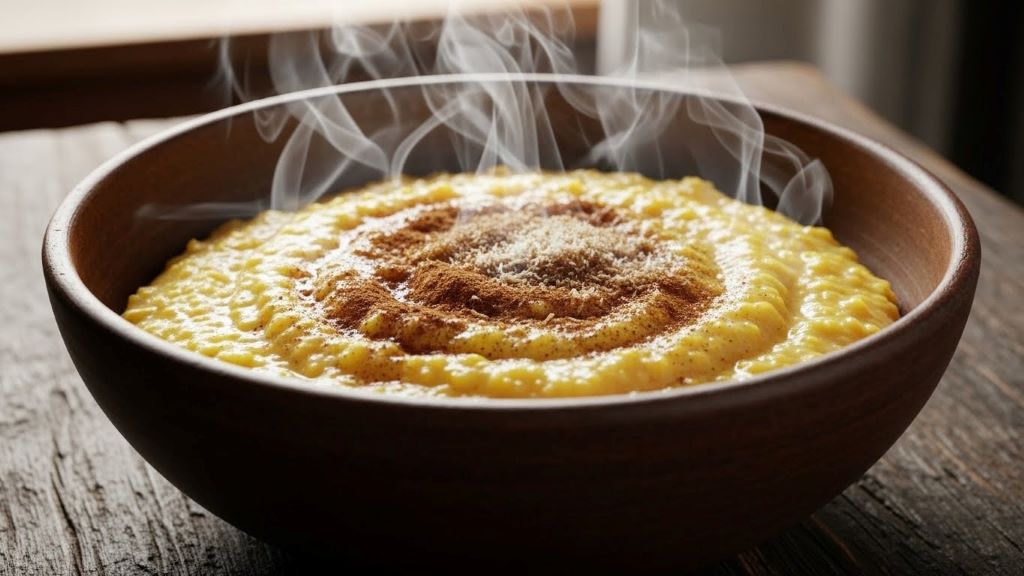
Jamaican porridges offer warmth, nutrition, and comfort. Cornmeal porridge remains the most popular variety, though peanut, hominy, and green banana versions also appear regularly. These thick, creamy breakfast options sustain people through long mornings.
Making porridge requires patience and constant stirring. Families often gather in kitchens during preparation, sharing stories while someone stirs. The process itself becomes a bonding ritual. Moreover, each family develops unique recipes, adding cinnamon, nutmeg, vanilla, or condensed milk in particular proportions.
Porridge holds special significance for children and elderly people. Its smooth texture makes eating easy while providing substantial nutrition. Consequently, offering porridge shows care and consideration within Jamaican culture.
The Social Aspects of Jamaican Breakfast
Breakfast in Jamaica functions as more than fuel for the day. It creates opportunities for family connection before everyone scatters to work, school, or other activities. Therefore, the morning meal strengthens social bonds.
Sunday breakfast carries particular importance in Jamaican culture. Families spend extra time preparing elaborate spreads featuring multiple dishes. This tradition reflects the island’s strong religious values and emphasis on togetherness. Additionally, Sunday breakfast allows people to slow down and appreciate abundance.
Street vendors selling breakfast also play vital social roles. Their stalls become community gathering points where neighbors exchange news and build relationships. The aroma of cooking food signals that a new day begins with promise.
Modern Adaptations and Diaspora Connections
Contemporary Jamaican breakfast evolves while maintaining traditional roots. Urban dwellers might grab quick breakfast sandwiches, but they still crave familiar flavors. Restaurants now offer fusion versions incorporating international trends.
The Jamaican diaspora keeps breakfast traditions alive across the globe. Communities in cities like London, New York, and Toronto recreate homeland flavors in new contexts. These meals become powerful expressions of cultural identity for immigrants and their children.
Furthermore, Jamaican breakfast foods gain recognition in mainstream culinary circles. Chefs worldwide experiment with ackee and callaloo. This global appreciation validates what Jamaicans always knew about their cuisine’s value.
Economic and Agricultural Importance
Breakfast foods significantly impact Jamaica’s economy and agriculture. Farmers cultivate ackee trees, callaloo, and ground provisions for both domestic consumption and export. According to research on Caribbean food systems, these traditional crops support rural livelihoods.
The tourism industry also capitalizes on authentic Jamaican breakfast experiences. Visitors seek genuine local flavors, creating opportunities for small businesses. Therefore, preserving traditional breakfast culture supports economic development.
Additionally, movements promoting food sovereignty encourage growing traditional crops. This approach reduces dependence on imported foods while maintaining cultural heritage.
Preserving Traditions for Future Generations
Younger Jamaicans face challenges maintaining breakfast traditions in fast-paced modern life. However, many recognize these foods’ cultural value. Cooking classes, food festivals, and social media content help educate new generations.
Grandmothers and elders serve as knowledge keepers, teaching proper preparation techniques. Their recipes and stories ensure continuity. Moreover, documenting these traditions becomes increasingly important as globalization threatens local food cultures.
Schools incorporating traditional foods into meal programs also support preservation efforts. Children who eat these breakfasts regularly develop taste preferences that last lifelong. Consequently, cultural transmission continues through daily practice.
Conclusion
Jamaican breakfast foods carry profound cultural significance that extends far beyond nutrition. These dishes tell stories of survival, resistance, and creativity across generations. From ackee and saltfish to humble cornmeal porridge, each item connects Jamaicans to their ancestors and to each other.
The morning meal serves as cultural glue, maintaining traditions while adapting to modern realities. Whether prepared in Jamaica or diaspora kitchens worldwide, these breakfasts affirm identity and belonging. They demonstrate how food becomes heritage, and how simple ingredients transform into powerful cultural symbols.
Understanding Jamaican breakfast means appreciating the island’s complex history and vibrant present. These foods deserve recognition not just for their delicious flavors, but for their role in sustaining culture and community through changing times.
Frequently Asked Questions
What makes ackee and saltfish Jamaica’s national dish?
Ackee and saltfish represents Jamaica’s history through its ingredients and preparation. The combination symbolizes African heritage, colonial trade networks, and resourceful cooking traditions that define Jamaican identity.
Are Jamaican breakfast foods healthy?
Traditional Jamaican breakfast offers balanced nutrition with proteins, complex carbohydrates, and vegetables. Ground provisions provide sustained energy, while callaloo adds vitamins. However, fried items should be enjoyed in moderation.
Can I find Jamaican breakfast ingredients outside Jamaica?
Many Jamaican ingredients are available in Caribbean specialty stores and increasingly in mainstream supermarkets. Canned ackee, saltfish, and callaloo can be found in areas with Caribbean communities. Online retailers also ship these products internationally.
Why do Jamaicans eat such hearty breakfasts?
Historically, Jamaicans needed substantial morning meals to sustain them through physically demanding agricultural work. This tradition continues today, though modern schedules sometimes require lighter adaptations.
What’s the difference between festival and fried dumplings?
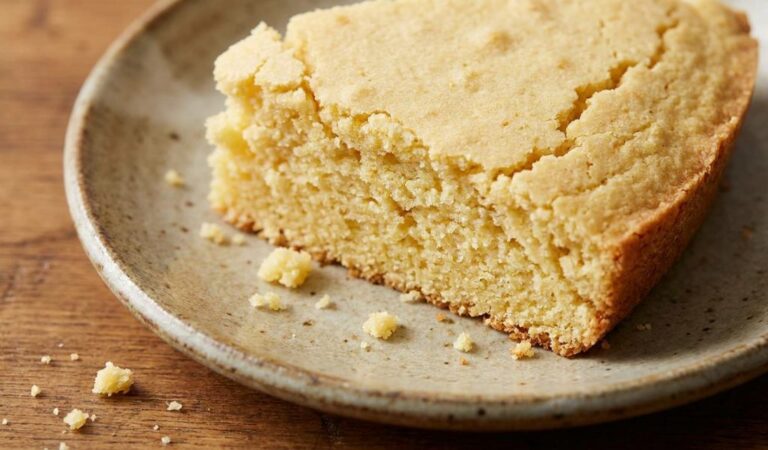
Festival contains cornmeal and sugar, giving it a slightly sweet taste and denser texture. Fried dumplings use only flour and are generally savory. Both are fried but serve different flavor profiles at breakfast.
Related Topics:
Canned Jalapeno Peppers: Your Pantry Staple for Instant Flavor and Zest
Unlocking the Flavors of Caribbean Fusion Food: A Bold Culinary Journey