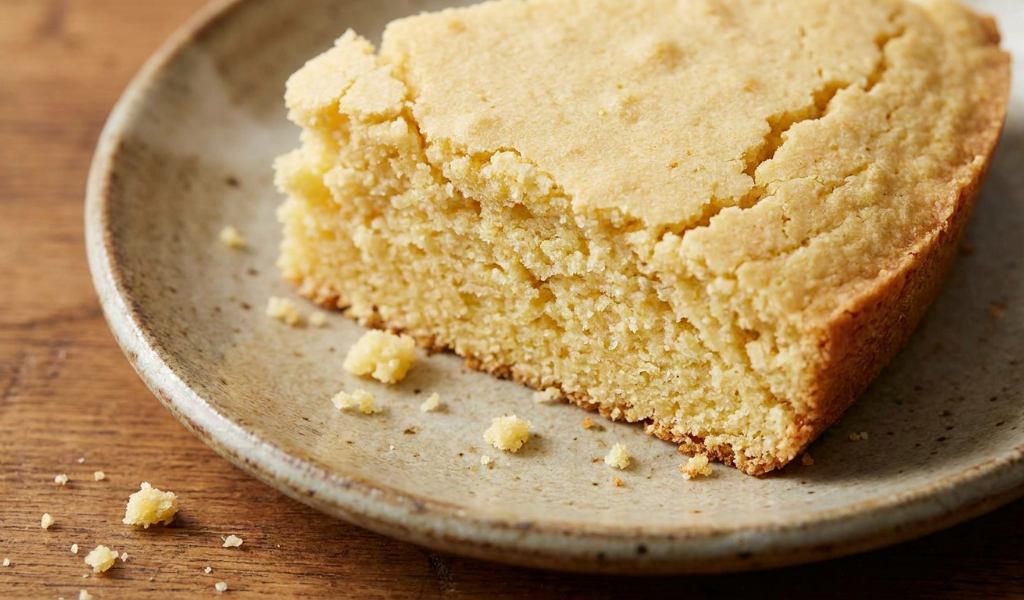
Fix dry cornbread by brushing warm buttermilk or melted butter over the fresh loaf immediately. You can also steam slices wrapped in damp towels inside an oven set to 300 degrees. In addition, serving warm honey butter rescues dry crumbs with instant moisture.
Dry crumb ruins many southern dinners across Texas kitchens every single week. Industry surveys reveal that nearly 42 percent of home bakers struggle with parched cornmeal texture. Furthermore, over 55 percent of baking failures stem directly from excessive oven heat or improper fat ratios. Mastering a reliable moist cornbread recipe changes everything for your skillet dinners. Let us explore proven techniques to restore delicate texture to every pan.
Key Takeaways
- Liquid ratios: Proper buttermilk volume prevents dry flour pockets across the batter.
- Fat selection: Melted bacon fat or butter locks tender moisture inside the crumb.
- Baking time: Pulling the skillet early avoids rapid moisture evaporation.
- Resting method: Covering the hot pan traps rising steam for softer bread.
- Quick fixes: Simple sugar syrups and milk soaks revive stale loaves fast.
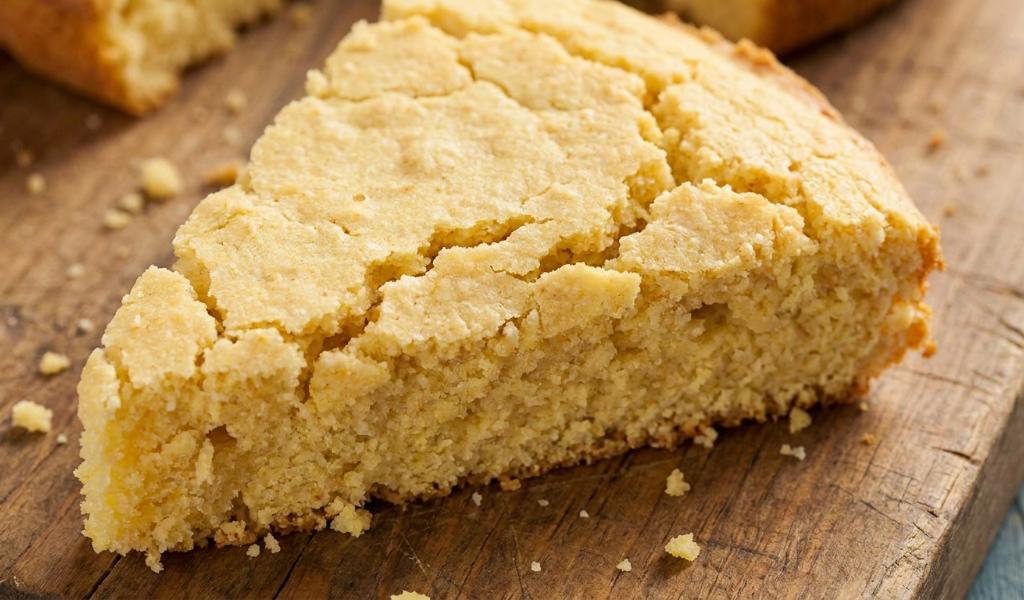
Why Texas Cornbread Turns Dry And Crumbly
Cornmeal lacks gluten, which means it cannot trap steam like standard wheat flour. Consequently, moisture escapes rapidly whenever batter sits too long inside a hot oven. High baking temperatures pull hydration out of the pan before corn starches fully gelatinize. Therefore, monitoring your oven thermometer prevents rapid crumb drying during the final minutes.
Baking powders also behave differently depending on ambient room humidity and storage age. Studying the cultural significance jamaican breakfast traditions proves instructive. Regional cooks skillfully balance dry starches with rich fats. Similarly, traditional Texas skillet recipes demand generous lard to protect fragile crumb structures. Skimping on cooking oil leaves corn kernels brittle and hard to chew.
Moreover, overmixing batter creates tough pockets that repel natural liquid absorption. Stir your dry and wet ingredients gently until loose lumps barely vanish. Vigorous beating forces air into the mixture, which collapses under intense skillet heat. As a result, dense patches form and shed moisture through uneven gaps.
Immediate Kitchen Fixes For Parched Cornbread
Do not discard a dry loaf before trying simple kitchen remedies. First, poke small holes across the crust using a wooden toothpick or slender skewer. Next, drizzle two tablespoons of warm whole milk or heavy cream across the top surface. The liquid seeps downward quickly, softening parched grains within three minutes.
Alternatively, you can brush warm liquid fats directly onto the golden surface. Many cooks test alternative options like algae cooking club oil alongside classic creamery butter for tender results. Liquid fats penetrate deep pores without dissolving the delicate corn framework. Hence, your skillet bread gains rich mouthfeel while keeping its crispy edge intact.
Wrapping individual slices in damp paper towels also yields surprising revival results. Place wrapped portions inside a microwave on medium power for fifteen seconds. The trapped moisture relaxes stiff corn starches, creating tender textures on demand. Serve these treated slices immediately alongside hearty stews or savory beans.
Essential Moisture Additions For Better Batter
Great bakers adjust their wet mixtures before pouring batter into scorching iron skillets. Sour cream adds natural acidity that breaks down stubborn cornmeal grains during baking. Furthermore, the high milkfat percentage coats corn particles, shielding them against dry heat. Adding one third cup of sour cream yields remarkably pillowy slices.
Canned creamed corn provides another reliable defense against brittle skillet bread. It injects pure moisture along with subtle sweet notes that complement spicy chili bowls. Just like learning to grill frozen burgers juicy requires heat control, baking moist bread requires locked hydration. Fold pureed sweet kernels into standard batter for foolproof results every time.
You can also incorporate pure honey directly into warm buttermilk mixtures. Honey acts as an inverted sugar that attracts and holds ambient moisture. Therefore, honey keeps baked loaves fresh on the countertop for several days. Your bread stays soft without crumbling when sliced into hearty wedges.
Mastering Cast Iron Temperature And Technique
Preheating your cast iron skillet creates an irresistible, crunchy southern crust. However, overheating the skillet before pouring batter scorches the bottom layer instantly. That burned crust prevents interior steam from circulating evenly through the rising bread. Heat your pan at 400 degrees for no longer than ten minutes.
Always drop two tablespoons of solid shortening or lard into the heated pan. Swirl the melting fat until it coats every inch of the iron surface. The batter will sizzle softly as you pour it into the hot basin. This gentle sizzle seals the exterior while keeping internal liquids perfectly trapped.
Check the center of the loaf five minutes before the recipe suggests. Insert a clean tester into the thickest point to evaluate dampness. The tester should emerge with two or three moist crumbs attached. Pull the pan immediately if the tester comes out completely dry.
Creative Ways To Repurpose Overly Dry Loaves
Sometimes a loaf bakes past the point of direct slice service. Fortunately, dry corn crumb provides an incredible base for hearty regional dishes. You can crumble stale bread onto sheet pans to toast into golden salad croutons. Toss the cubes with garlic butter before baking them for ten minutes.
Savory cornbread dressing represents another classic solution for overbaked skillet bread. Combine dry chunks with chicken stock, celery, onions, and fresh sage leaves. The thirsty cornmeal absorbs rich poultry broth without turning into soggy mush. Bake the casserole until bubbly for an incredible weekend family dinner.
You can also blend dry crumbles into crispy breading for fried catfish fillets. Season the fine corn crumbs with black pepper, cayenne, and sea salt. Dredge fresh fillets in egg wash before pressing them firmly into the meal. Fry the fish in hot peanut oil for outstanding Southern crunch.
How To Store Cornbread To Prevent Dryness
Cool your baked skillet bread completely before storing it inside sealed containers. Storing warm bread traps warm steam that creates slimy crusts and stale interiors. Place the cooled loaf on a wire rack for forty minutes first. This cooling period stabilizes the crumb structure against unwanted moisture loss.
Wrap the cold cornbread tightly with heavy aluminum foil or plastic wrap. Avoid storing bread inside paper bags because paper absorbs natural moisture rapidly. Keep the wrapped loaf on your kitchen counter at room temperature. Refrigerators pull humidity from baked goods, accelerating starch retrogradation and crumb dryness.
If you plan to store slices beyond three days, utilize your home freezer. Slice the loaf into individual wedges and wrap each piece in plastic film. Place wrapped wedges inside a heavy freezer bag with air removed. Thaw frozen portions at room temperature whenever you crave warm skillet cornbread.
Conclusion: Restoring Tenderness To Every Skillet
Baking perfect Texas cornbread requires mindful heat management, rich fats, and proper hydration ratios. Applying warm milk soaks or sweet butter glazes rescues overbaked loaves effortlessly. Furthermore, folding sour cream or creamed corn into future batters guarantees incredible tenderness.
Embrace these reliable southern kitchen secrets during your next skillet baking session today. Start adjusting your oven timers and selecting premium ingredients to protect every pan. Your family will appreciate every soft, savory bite served alongside evening meals.
Frequently Asked Questions
Why does my cornbread feel dry after cooling?
Cornmeal loses trapped steam quickly as it cools without proper fat coverage.
Can melted butter fix an overbaked cornbread loaf?
Brushing melted butter over a warm crust restores lost moisture and rich tenderness.
How does sour cream improve homemade cornbread texture?
Sour cream adds rich acidity and milkfat that softens stubborn cornmeal grains.
What oven temperature prevents cornbread from drying out?
Baking at 400 degrees Fahrenheit ensures rapid rising without scorching interior moisture.
Should I cover cornbread while it cools down?
Draping a clean kitchen towel over warm cornbread keeps rising steam inside the crumb.