Learning how to roast acorn squash with maple syrup can transform a simple fall vegetable into a rich and comforting side dish. Acorn squash contains fiber, vitamins, and antioxidants that support overall health and digestion. According to the USDA, winter squash provides a strong source of vitamin A and potassium in every serving. Many home cooks also prefer roasted squash because it uses fewer processed ingredients than packaged side dishes. This guide explains every step clearly so you can prepare flavorful roasted acorn squash with confidence.
Why Roasted Acorn Squash Is So Popular
Roasted acorn squash offers a naturally sweet flavor that pairs perfectly with maple syrup and warm spices. Many families enjoy it during autumn dinners because it feels hearty without becoming too heavy. The roasting process also creates a soft texture with slightly caramelized edges that taste delicious. In addition, this dish works well for both casual meals and holiday gatherings.
People often choose this recipe because it uses simple ingredients that are easy to find in most kitchens. Maple syrup adds a smooth sweetness without overpowering the squash itself. Some cooks also enjoy pairing this recipe with other comforting dishes while exploring topics like how to identify expired shea butter for natural home living ideas. As a result, roasted acorn squash remains a seasonal favorite across many households.
Ingredients Needed for Roasting Acorn Squash
You only need a few fresh ingredients to make this flavorful side dish at home. Choosing quality ingredients helps improve both texture and taste during roasting. Fresh squash with firm skin usually delivers the best results in the oven. Meanwhile, pure maple syrup creates a deeper and richer sweetness.
- 2 medium acorn squash
- 3 tablespoons pure maple syrup
- 2 tablespoons olive oil or melted butter
- 1 teaspoon cinnamon
- 1/2 teaspoon salt
- 1/4 teaspoon black pepper
- Optional chopped pecans or walnuts
Some home cooks also add nutmeg or cayenne pepper for extra flavor depth. Pecans bring crunch and complement the soft roasted squash very well. You can also use vegan butter if you prefer a dairy free version. Therefore, this recipe stays flexible for different dietary preferences.
How to Choose the Best Acorn Squash
Selecting fresh squash plays a major role when learning how to roast acorn squash with maple syrup properly. Look for squash with dark green skin and a firm texture without soft spots. A ripe acorn squash should also feel heavy for its size because that indicates moisture inside. Avoid squash with cracks or shriveled stems because they may already be drying out.
Smaller squash often roast more evenly and develop better texture during cooking. Larger squash can become watery if they stay in the oven too long. Farmers markets and grocery stores usually stock fresh acorn squash throughout the fall season. Consequently, autumn becomes the ideal time to prepare this comforting recipe.
Step by Step Guide on How to Roast Acorn Squash With Maple Syrup
Prepare the Squash
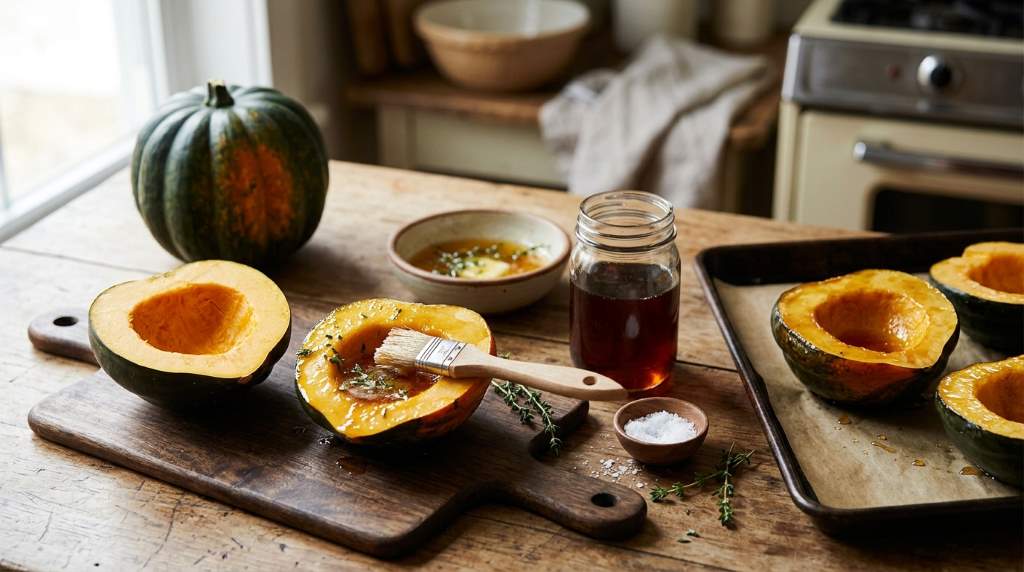
Start by washing the squash thoroughly under cool running water to remove dirt from the skin. Next, cut each squash in half carefully using a sharp chef’s knife. Scoop out the seeds and stringy center with a spoon until the cavity looks clean. Then place the squash halves on a baking tray lined with parchment paper.
Season the Squash
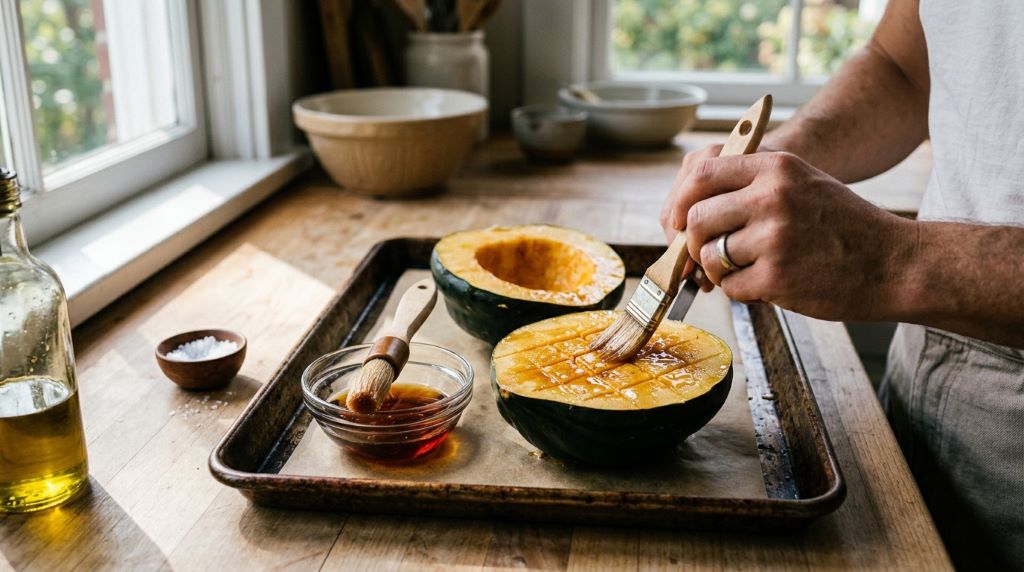
Mix maple syrup, olive oil, cinnamon, salt, and black pepper in a small bowl until smooth. Brush the mixture generously over the cut side of each squash half for even flavor. Some cooks also drizzle extra syrup into the hollow center for stronger caramelization. Interestingly, food lovers who enjoy seasonal dining sometimes explore guides like the art and science of choosing a restaurant to discover flavor pairings and cooking inspiration.
Roast in the Oven
Preheat the oven to 400 degrees Fahrenheit before placing the tray inside. Roast the squash for about 40 to 50 minutes until the flesh becomes tender and lightly golden. Use a fork to test softness because fully cooked squash should pierce easily. If desired, sprinkle chopped pecans during the final 10 minutes for extra texture.
Best Tips for Perfect Roasted Acorn Squash
Many people searching for how to roast acorn squash with maple syrup want restaurant quality flavor at home. One helpful tip involves roasting the squash cut side down for the first half of cooking. This method traps steam inside and softens the flesh more evenly. Afterward, flip the squash and add extra maple glaze for caramelization.
Do not overcrowd the baking tray because proper airflow helps the squash roast instead of steam. You should also use real maple syrup rather than pancake syrup for authentic flavor. Freshly ground cinnamon creates a warmer aroma that blends beautifully with the squash. Therefore, small ingredient upgrades can noticeably improve the final result.
Flavor Variations You Can Try
This recipe works well with different seasonings depending on your personal taste preferences. Some cooks prefer adding brown sugar and butter for a richer holiday style version. Others use chili flakes and smoked paprika for a sweet and spicy combination. Consequently, roasted acorn squash can match many dinner themes throughout the year.
- Add rosemary and thyme for earthy flavor
- Use honey instead of maple syrup for a floral sweetness
- Top with goat cheese after roasting
- Mix cranberries with pecans for holiday flavor
- Add bacon bits for a smoky finish
You can also experiment with different nuts and herbs to create unique combinations. Toasted walnuts provide a slightly bitter balance against the sweet glaze. Meanwhile, fresh parsley brightens the dish before serving. As a result, this recipe never feels boring or repetitive.
What to Serve With Roasted Acorn Squash
Roasted acorn squash pairs beautifully with roasted chicken, turkey, pork chops, and grilled salmon. Its sweet flavor balances savory proteins and rich sauces very effectively. Many families also serve it beside stuffing and mashed potatoes during holiday dinners. Furthermore, the squash adds color and texture to any dinner table.
This side dish also works well in vegetarian meals with quinoa or wild rice bowls. Some people even stuff the roasted halves with grains and vegetables for a complete dinner option. Healthy comfort foods continue gaining popularity among home cooks exploring nutrition topics. Therefore, roasted acorn squash fits easily into many modern eating habits.
Common Mistakes to Avoid
One common mistake involves undercooking the squash, which leaves the texture too firm and dry. Always test tenderness with a fork before removing the tray from the oven. Another mistake happens when cooks use too much syrup early in the process. Excess sugar can burn quickly and create a bitter taste.
Cutting uneven squash halves may also cause inconsistent roasting times during cooking. Try to keep the pieces similar in size for balanced heat distribution. Skipping seasoning can make the final dish taste flat despite the natural sweetness. Consequently, careful preparation helps produce much better flavor and texture.
Storage and Reheating Tips
Store leftover roasted squash in an airtight container inside the refrigerator for up to four days. Allow the squash to cool completely before sealing the container to maintain freshness. Reheat portions in the oven at 350 degrees Fahrenheit for the best texture. Microwaving works too, although the edges may soften slightly.
You can also freeze roasted squash for future meals if needed. Wrap each portion tightly to reduce freezer burn and preserve flavor longer. Thaw overnight in the refrigerator before reheating for better consistency. Therefore, this recipe becomes convenient for meal prep and busy weeknight dinners.
Health Benefits of Acorn Squash
Acorn squash provides important nutrients while remaining naturally low in calories and fat. It contains fiber that supports digestion and helps people feel full longer after meals. The squash also delivers vitamin C and beta carotene that support immune health and skin function. Consequently, this vegetable works well in balanced eating plans.
Maple syrup also contains small amounts of minerals like zinc and manganese compared to refined sugar. Using moderate amounts of natural sweeteners can create satisfying flavor without excessive processing. Pairing vegetables with healthy fats like olive oil improves nutrient absorption as well. Therefore, roasted acorn squash offers both comfort and nutritional value.
Conclusion
Now you understand exactly how to roast acorn squash with maple syrup using simple ingredients and practical cooking methods. This comforting recipe combines natural sweetness, warm spices, and rich roasted flavor in every bite. It also works perfectly for weeknight dinners, holiday meals, and healthy seasonal cooking. Start roasting your own acorn squash today and enjoy a homemade dish that feels both nourishing and satisfying while exploring more food inspiration like is jollof rice healthy.
FAQs
Can you eat the skin of roasted acorn squash?
Yes, the skin becomes soft after roasting and is completely edible.
Do you peel acorn squash before roasting?
No, most recipes roast acorn squash with the skin still attached.
How long does acorn squash take to roast?
Acorn squash usually roasts in 40 to 50 minutes at 400 degrees Fahrenheit.
Can I use honey instead of maple syrup?
Yes, honey works well as a substitute and adds a slightly different sweetness.
What spices go well with acorn squash?
Cinnamon, nutmeg, rosemary, paprika, and thyme pair very well with acorn squash.