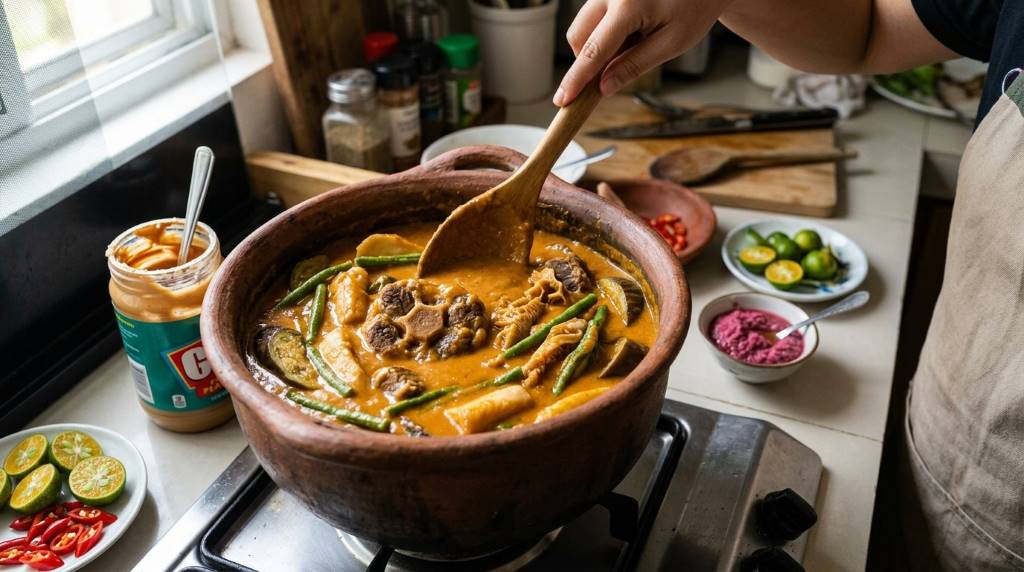
Many people search for comforting and rich Filipino dishes that are easy to prepare at home. Traditional kare kare stands out because of its creamy peanut sauce, tender meat, and colorful vegetables. According to global food trend reports, Filipino cuisine continues to grow in popularity across home kitchens and restaurants worldwide. In fact, peanut-based stews remain among the most searched Asian comfort meals online. If you want to learn how to cook traditional filipino kare kare using smooth peanut butter, this complete guide will help you create a flavorful and authentic dish with simple ingredients and practical cooking methods.
What Makes Kare Kare A Traditional Filipino Favorite
Kare kare is a rich Filipino stew known for its thick peanut sauce and slow-cooked meat. Families often serve it during celebrations, holidays, and weekend gatherings. The dish usually combines oxtail, beef, or tripe with vegetables like eggplant and bok choy. Because of its creamy texture and deep flavor, kare kare has become one of the most loved dishes in Filipino homes.
Traditional recipes used ground roasted peanuts and toasted rice for thickening the sauce. However, many home cooks now prefer smooth peanut butter because it saves time and still creates a delicious texture. Additionally, smooth peanut butter blends evenly into the broth without extra preparation. Some people also enjoy learning about food ingredients and nutrition through resources like how ultra processed foods change gut bacteria while choosing better cooking methods at home.

Ingredients Needed For Kare Kare
Using fresh and balanced ingredients creates the best flavor for kare kare. Most items are available in Asian grocery stores or regular supermarkets. Choosing quality vegetables and meat improves the final taste significantly. Moreover, preparing ingredients ahead of time makes cooking easier and faster.
- 2 pounds oxtail or beef shank
- 1 small beef tripe optional
- 1 cup smooth peanut butter
- 1 onion sliced
- 5 garlic cloves minced
- 1 tablespoon annatto powder
- 8 cups beef broth
- 1 eggplant sliced
- 1 bunch bok choy
- 12 string beans cut evenly
- 2 tablespoons fish sauce
- Salt and pepper to taste
- 2 tablespoons cooking oil
- 1 tablespoon cornstarch mixed with water
How To Prepare The Meat Properly
The meat forms the heart of every kare kare recipe, so proper preparation matters greatly. Begin by washing the beef or oxtail thoroughly under cold water. Next, place the meat in a large pot and boil it for several minutes to remove impurities. Afterward, discard the cloudy water and rinse the meat again before cooking.
Add fresh broth and simmer the meat slowly for two to three hours until tender. Slow cooking helps release natural flavors into the soup while keeping the meat juicy. Pressure cookers also work well if you want to reduce cooking time significantly. Once tender, set the broth aside because you will use it later for the peanut sauce.
How To Cook Traditional Filipino Kare Kare Using Smooth Peanut Butter
Learning how to cook traditional filipino kare kare using smooth peanut butter becomes easier when you follow clear steps carefully. Start by heating oil in a large cooking pot over medium heat. Then sauté garlic and onions until fragrant and slightly golden. This process creates a flavorful base for the stew.
Add the annatto powder and stir for one minute until the oil changes into a deep orange color. Next, pour in the reserved broth and bring it to a gentle boil. Stir the smooth peanut butter slowly into the broth until fully dissolved. Some home cooks also experiment with spicy side ingredients inspired by recipes like canned jalapeno peppers to add extra heat to Filipino dishes.
Return the cooked meat to the pot and allow everything to simmer together for twenty minutes. Add fish sauce, salt, and pepper according to your preferred taste. Afterward, pour in the cornstarch mixture slowly while stirring continuously. The sauce should become thick, creamy, and smooth without lumps.
Finally, add the vegetables one by one because each cooks at a different speed. Eggplant usually cooks first, followed by string beans and bok choy. Avoid overcooking the vegetables so they remain vibrant and slightly crisp. Serve the kare kare hot with steamed rice and shrimp paste on the side.
Best Vegetables To Include In Kare Kare
Vegetables bring balance, texture, and freshness to the rich peanut sauce. Most traditional Filipino recipes include local vegetables that absorb the sauce beautifully. However, you can customize the selection based on personal taste and seasonal availability. Fresh vegetables also improve the visual appeal of the dish.
- Eggplant for soft texture and mild flavor
- Bok choy for freshness and crunch
- String beans for added bite
- Banana blossoms for authentic Filipino flavor
- Pechay for extra leafy greens
Always cook vegetables separately if you want better texture control. This method prevents softer vegetables from becoming mushy during simmering. Additionally, bright vegetables make the final dish look more inviting and restaurant quality. Balanced vegetables also complement the creamy peanut sauce perfectly.
Common Mistakes To Avoid When Cooking Kare Kare
Many beginners struggle with kare kare because the sauce consistency can become too thick or too watery. Adding peanut butter too quickly sometimes creates clumps in the broth. Therefore, stir slowly and use medium heat during the cooking process. Consistent stirring helps maintain a smooth texture.
Overcooking vegetables is another common issue in homemade kare kare recipes. Soft vegetables can lose color, flavor, and nutritional value quickly. Instead, add them near the end of cooking for the best results. Timing makes a noticeable difference in both taste and presentation.
Some cooks also add too much salt before the sauce fully develops its flavor. Since fish sauce already contains saltiness, taste the broth gradually during simmering. Balanced seasoning allows the peanut flavor to remain the highlight of the dish. Simple adjustments can improve the entire cooking experience.
Serving Suggestions For Kare Kare
Kare kare tastes best when served hot with freshly steamed white rice. The creamy sauce blends beautifully with plain rice and creates a satisfying meal. Filipino families traditionally pair the dish with bagoong or fermented shrimp paste. This salty side condiment balances the sweetness of the peanut sauce perfectly.
You can also serve kare kare during family dinners, birthdays, and festive gatherings. Large portions work well because the dish stays flavorful even after reheating. Additionally, many people enjoy pairing it with refreshing tropical drinks or simple vegetable side dishes. Kare kare often tastes even better the next day because the flavors deepen overnight.
Tips To Make Kare Kare Taste More Authentic
Authentic kare kare depends heavily on balanced flavors and patient cooking techniques. Using homemade beef broth adds deeper flavor than plain water alone. Slow simmering also helps create tender meat and richer sauce consistency. Traditional cooking methods still produce the best results for most Filipino recipes.
Adding toasted rice powder can enhance the thickness and nuttiness of the sauce naturally. Some Filipino cooks still use this old technique for added authenticity. Furthermore, choosing quality peanut butter without excessive sugar creates a more traditional flavor profile. Natural peanut butter often works best for homemade kare kare recipes.
Fresh shrimp paste served on the side completes the traditional experience perfectly. However, always serve it separately so guests can adjust the flavor according to preference. Small details often make the biggest difference in Filipino cooking. Authentic presentation also adds warmth and cultural value to the meal.
Health Benefits Of Homemade Kare Kare
Homemade kare kare offers several nutritional benefits when prepared with fresh ingredients and balanced portions. Peanut butter provides healthy fats and protein that support energy and muscle health. Vegetables add vitamins, minerals, and dietary fiber to the meal naturally. Slow-cooked beef also contributes iron and protein to the dish.
Cooking at home gives you full control over sodium, oil, and ingredient quality. Therefore, you can create healthier versions without sacrificing flavor or texture. Many home cooks now prefer fresh homemade meals over heavily processed alternatives. Understanding food quality matters, much like learning to consider when selecting coffee packaging for better freshness and product value.
Why Smooth Peanut Butter Works Best
Smooth peanut butter simplifies the entire cooking process without reducing flavor quality. It blends quickly into broth and creates a creamy consistency in minutes. Unlike crushed peanuts, it does not require grinding or extra preparation steps. This convenience makes homemade kare kare more accessible for busy families.
Many store brands also offer affordable options that work perfectly for traditional Filipino recipes. Additionally, smooth peanut butter produces consistent results every time you cook the dish. It helps maintain balanced texture while keeping the sauce rich and velvety. For beginners, it remains one of the easiest ingredients to use successfully.
Conclusion
Learning how to cook traditional filipino kare kare using smooth peanut butter allows you to enjoy a comforting Filipino classic with less effort and incredible flavor. This dish combines tender meat, fresh vegetables, and creamy peanut sauce into one satisfying meal perfect for family gatherings or special occasions. By following the right cooking techniques and using fresh ingredients, anyone can prepare authentic homemade kare kare confidently. Start cooking today, experiment with your favorite vegetables, and enjoy the rich taste of Filipino comfort food right from your own kitchen.
FAQs
Can I use chicken instead of beef in kare kare?
Yes, chicken works well and cooks faster than traditional beef or oxtail.
What peanut butter is best for kare kare?
Smooth and unsweetened peanut butter creates the best flavor and texture.
How long does kare kare last in the refrigerator?
Kare kare stays fresh for up to three days when stored properly in a sealed container.
Do I need shrimp paste for serving?
No, but shrimp paste adds the traditional salty balance many people enjoy.
Can I freeze leftover kare kare?
Yes, you can freeze it for up to two months in airtight containers.