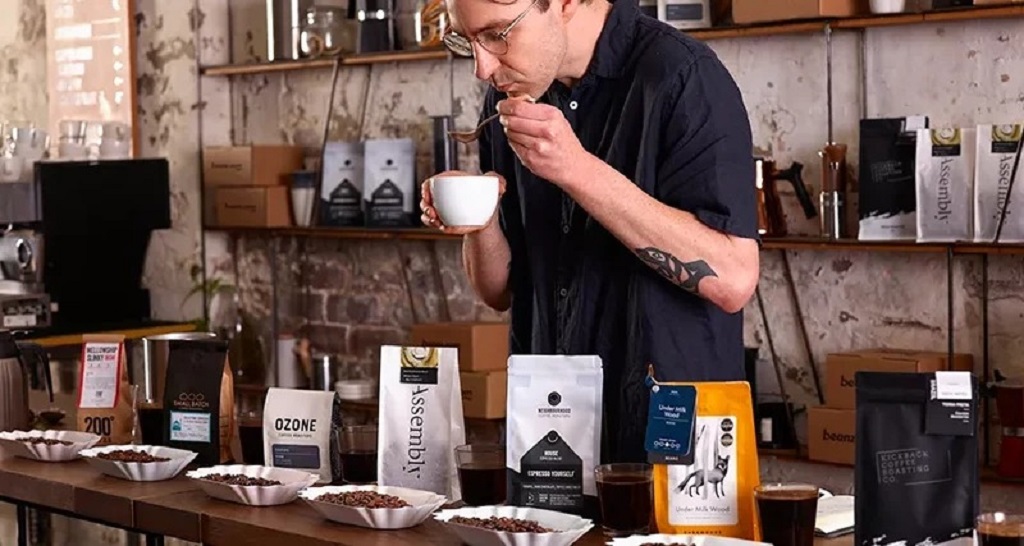
Picture this: you’ve just roasted the perfect batch of coffee beans, each one carefully selected and expertly processed to deliver an extraordinary flavor profile. But within days of packaging, your customers are complaining about stale, flat-tasting coffee. The culprit? Poor packaging decisions that stripped away everything you worked so hard to achieve. In the competitive world of specialty coffee, your selecting coffee packaging isn’t just a container—it’s the guardian of your craft and the silent ambassador of your brand.
Coffee packaging plays a pivotal role in preserving freshness, protecting quality, and communicating your brand values to consumers. With the global coffee market continuing to expand and consumer expectations rising, selecting the right packaging solution has become more critical than ever. Whether you’re a small-batch roaster or a large-scale coffee producer, understanding the key factors that influence packaging performance can make the difference between success and failure in today’s marketplace.
-
Barrier Properties and Freshness Preservation
The most fundamental consideration when choosing coffee packaging is its ability to protect your product from the four primary enemies of coffee freshness: oxygen, moisture, light, and odors. Coffee beans and ground coffee are particularly vulnerable to oxidation, which rapidly degrades flavor compounds and aromatic oils that define your product’s unique character.
Oxygen Barrier Performance
High-quality coffee packaging must provide exceptional oxygen barrier properties to maintain freshness. Materials like aluminum foil, metallized films, and multi-layer laminates offer superior protection compared to basic plastic films. Look for packaging with oxygen transmission rates (OTR) below 0.1 cc/100 sq in/day for optimal freshness retention.
Moisture Protection
Coffee’s hygroscopic nature means it readily absorbs moisture from the environment, leading to accelerated staling and potential mold growth. Packaging materials should demonstrate low water vapor transmission rates (WVTR) to prevent moisture infiltration. This is particularly crucial in humid climates or during extended storage periods.
Light Resistance
Ultraviolet light breaks down delicate flavor compounds and accelerates rancidity in coffee oils. Opaque packaging materials or those with UV-blocking properties help preserve the sensory qualities that consumers expect. Consider foil-based laminates or dark-colored films that naturally filter harmful light wavelengths.
Degassing Capabilities
Freshly roasted coffee releases carbon dioxide for several days after roasting. One-way degassing valves allow CO2 to escape while preventing oxygen from entering the package. This technology is essential for maintaining package integrity while preserving optimal freshness during the critical post-roast period.
-
Material Sustainability and Environmental Impact
Modern consumers increasingly prioritize environmental responsibility when making purchasing decisions. Coffee packaging sustainability has become a significant differentiator in the market, with many brands adopting eco-friendly alternatives to traditional materials.

Recyclable Options
Paper-based packaging materials, including kraft paper bags with minimal plastic linings, offer excellent recyclability through existing municipal programs. Many converters now provide mono-material solutions where all package components use the same base polymer, simplifying the recycling process.
Compostable Alternatives
Plant-based films derived from materials like PLA (polylactic acid) or cellulose provide compostable options for environmentally conscious brands. However, these materials may offer reduced barrier properties compared to conventional plastics, requiring careful evaluation of shelf-life requirements.
Reduced Material Usage
Lightweighting initiatives that maintain performance while using less material help reduce environmental impact and transportation costs. Advanced lamination technologies enable thinner films with equivalent or superior barrier properties compared to heavier traditional materials.
Renewable Content Integration
Packaging incorporating post-consumer recycled content or bio-based materials demonstrates commitment to circular economy principles. Many suppliers now offer films with significant recycled content percentages without compromising functionality.
-
Cost Efficiency and Budget Considerations
Packaging costs directly impact product profitability, making financial optimization a crucial selection criterion. However, the lowest-priced option rarely provides the best value when considering total cost of ownership.
Material Costs vs. Performance
While premium barrier materials command higher prices, they often deliver superior freshness retention that can justify the investment through reduced product waste and enhanced consumer satisfaction. Calculate the cost per unit of barrier performance rather than focusing solely on material price per pound.
Volume Economics
Packaging costs typically decrease with order quantities due to setup costs and material purchasing power. However, smaller operations must balance volume savings against inventory carrying costs and potential material obsolescence.
Operational Efficiency
Consider how packaging materials integrate with existing filling and sealing equipment. Materials requiring specialized handling or modified machinery may incur additional operational costs that offset initial savings.
Shelf-Life Extension Value
Superior packaging that extends product shelf life can reduce inventory turnover requirements and minimize waste throughout the supply chain. This extended freshness often translates to higher customer satisfaction and repeat purchase rates.
-
Branding and Marketing Appeal
Coffee packaging serves as a powerful marketing tool that communicates brand identity and influences purchasing decisions at the point of sale. The visual and tactile aspects of your packaging create the first impression for potential customers.
Print Quality and Graphics
High-quality graphics printing requires packaging substrates that accept inks well and provide excellent color reproduction. Consider materials that support advanced printing techniques like digital printing for short runs or premium finishes that enhance shelf appeal.
Structural Design Options
Different packaging formats offer unique branding opportunities. Stand-up pouches provide excellent billboard space for graphics while offering convenience benefits. Traditional bag-in-box formats may better suit bulk products or food service applications.
Premium Positioning Elements
Tactile features like soft-touch coatings, embossed elements, or specialty closures can reinforce premium brand positioning and justify higher price points. These elements must align with your overall brand strategy and target consumer expectations.
Clear Product Visibility
Transparent windows or clear panels allow consumers to see the coffee inside, building confidence in product quality. However, these features must be balanced against light protection requirements for optimal freshness preservation.
-
Production and Supply Chain Compatibility
The most technically advanced packaging solution provides no value if it cannot integrate seamlessly with your production processes and supply chain requirements.
Equipment Compatibility
Evaluate how new packaging materials will perform on existing filling, sealing, and labeling equipment. Some materials may require adjustments to temperature, pressure, or timing settings to achieve proper seals and avoid production disruptions.
Supplier Reliability
Choose packaging suppliers with proven track records for consistent quality and reliable delivery. Supply chain disruptions can halt production and impact customer relationships, making supplier stability a critical selection criterion.
Inventory Management
Consider storage requirements for different packaging materials. Some films may be sensitive to temperature or humidity during storage, requiring climate-controlled warehousing. Factor these requirements into total cost calculations.
Quality Assurance Programs
Packaging suppliers should maintain robust quality management systems with statistical process control and regular testing protocols. Request certification documentation and visit supplier facilities when possible to verify capabilities.
Scalability Planning
Select packaging solutions that can accommodate business growth without requiring complete system changes. Materials and formats that work for current volumes should also support planned expansion scenarios.
Read More Also: The Scent of Tradition: Unveiling Rosewater Rituals in Persian Kitchens
Conclusion
Selecting optimal coffee packaging requires careful evaluation of multiple interconnected factors that impact product quality, brand perception, and business profitability. The five key considerations—barrier properties, sustainability, cost efficiency, branding appeal, and production compatibility—must be balanced to achieve the best overall solution for your specific situation.
Success in today’s competitive coffee market demands packaging that preserves the sensory excellence of your product while resonating with consumer values and operational realities. By thoroughly evaluating each factor and understanding how they interact, you can make informed decisions that support both immediate needs and long-term business objectives.
Read More Also: How to Make Chili Seasoning – Simple & Flavorful Recipe
Ready to elevate your coffee packaging strategy?
Contact our packaging specialists today for a comprehensive evaluation of your current packaging performance and personalized recommendations tailored to your brand’s unique requirements. Our team of experts will help you navigate the complex landscape of coffee packaging options to find solutions that protect your product quality while strengthening your market position. Don’t let suboptimal packaging compromise your coffee’s potential—take action now to ensure every cup delivers the exceptional experience your customers deserve.