
Chili seasoning is a kitchen staple that transforms ordinary dishes into mouthwatering masterpieces. Whether you’re simmering a pot of chili, seasoning tacos, or adding zest to roasted vegetables, a well-crafted chili seasoning mix is your secret weapon. However, buying pre-packaged blends often leads to disappointing results—excess salt, artificial fillers, or overpowering heat. The solution? Making your own chili seasoning at home. This approach guarantees control over flavors, freshness, and dietary preferences. Here’s a detailed guide on how to make chili seasoning – simple & flavorful recipe, designed to bring bold yet balanced taste to your cooking.
Why Homemade Chili Seasoning Beats Store-Bought
A recent survey by the American Culinary Federation found that 65% of home cooks prefer making their own spice blends due to freshness and health concerns. Store-bought chili powders can contain preservatives and inconsistent ingredient ratios, diluting flavor. Conversely, crafting your own seasoning lets you adjust heat, salt, and aromatic depth.
From a nutritional standpoint, homemade chili seasoning often contains less sodium and zero additives. According to a study published in Food Chemistry, freshly ground spices retain more essential oils, boosting aroma and taste. This enhances your dish’s complexity without artificial enhancers. Therefore, learning how to make chili seasoning is not only a flavor upgrade but also a step toward healthier eating.
Essential Ingredients for Chili Seasoning
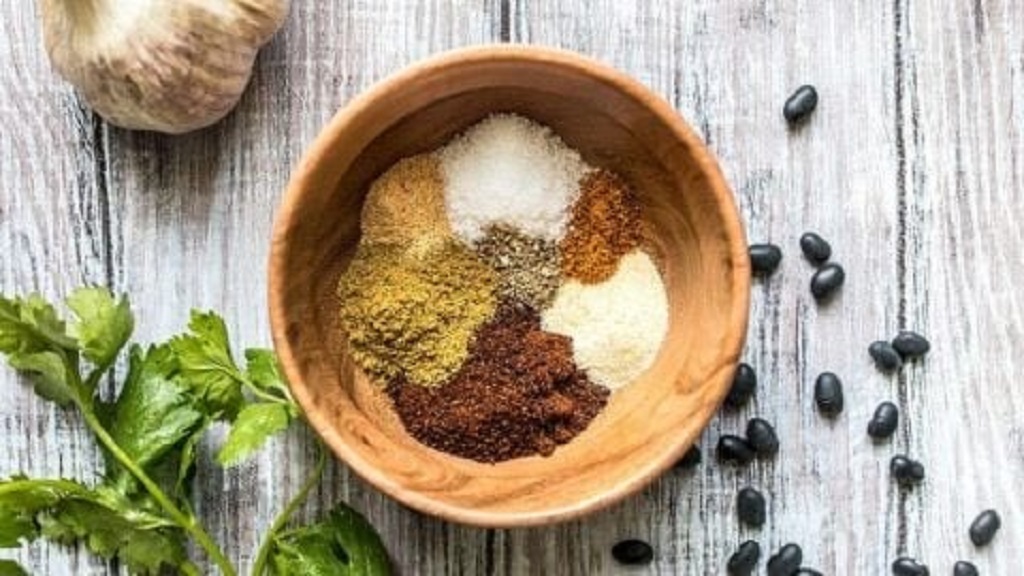
The heart of chili seasoning lies in its harmony of spices. Here are the core ingredients every homemade blend needs:
- Chili Powder: The base, usually a mild ground chili like ancho or guajillo, provides warmth without overwhelming heat.
- Cumin: Adds earthiness and a nutty aroma.
- Paprika: Offers subtle sweetness and vibrant color.
- Garlic Powder: Infuses a pungent, savory note.
- Onion Powder: Balances with a mild sharpness.
- Oregano: Lends herbal complexity and freshness.
- Cayenne Pepper: Brings the heat, adjustable to your tolerance.
- Salt and Black Pepper: Enhance and bind flavors.
Many chefs advocate for freshly toasted cumin seeds, ground just before mixing, to unlock deeper flavor. This step is supported by culinary expert Alton Brown, who notes that toasting spices caramelizes natural oils, creating a “smokier, richer flavor profile.” Additionally, using smoked paprika instead of regular paprika introduces a tantalizing smoky undertone, perfect for barbecue or Tex-Mex dishes.
Step-by-Step Guide: How to Make Chili Seasoning – Simple & Flavorful Recipe
- Measure the Spices: Use a kitchen scale or measuring spoons for accuracy. For a balanced mix, start with 2 tablespoons chili powder, 1 tablespoon cumin, 1 tablespoon paprika, 1 teaspoon garlic powder, 1 teaspoon onion powder, 1 teaspoon oregano, ½ teaspoon cayenne pepper, 1 teaspoon salt, and ½ teaspoon black pepper.
- Toast Spices (Optional): Gently toast cumin seeds and chili powder in a dry skillet over medium heat for 1-2 minutes. This releases oils and intensifies flavors.
- Grind if Needed: Use a spice grinder or mortar and pestle to pulverize toasted seeds into a fine powder.
- Combine and Mix: Add all ingredients to a bowl and whisk thoroughly to ensure even distribution.
- Store Properly: Transfer your blend to an airtight jar, away from heat and light. Freshness lasts up to six months.
This recipe strikes a perfect balance between warmth, smokiness, and a slight kick. You can tweak cayenne pepper for milder or hotter blends.
Expert Tips for Perfect Chili Seasoning
- Customize Heat Level: If you prefer milder seasoning, reduce cayenne pepper and substitute with sweet paprika.
- Add Depth: Incorporate a pinch of cocoa powder or cinnamon to introduce subtle complexity, inspired by traditional Mexican mole spices.
- Freshness Counts: Grind spices as close to usage as possible; whole spices last longer than ground.
- Batch Making: Prepare large batches and divide into small jars to retain flavor without waste.
Mastering chili seasoning is a culinary skill that enhances not only chili but also grilled meats, soups, and even scrambled eggs.
How to Use Your Chili Seasoning
Chili seasoning is incredibly versatile. Start by adding 1 to 2 tablespoons per pound of meat or vegetables. This ratio works well for chili con carne, tacos, roasted potatoes, or even sprinkle on popcorn for a spicy snack. Chefs often recommend layering flavors by seasoning during cooking stages—first while browning meat, then adjusting at the end for freshness.
Common Mistakes and How to Avoid Them
Many novice cooks make the mistake of overloading on cayenne pepper, creating a seasoning that overwhelms rather than enhances. Additionally, using low-quality or stale spices results in a flat taste. The logic behind proper balance is simple: spice blends should complement the dish without stealing the spotlight.
Another overlooked detail is salt content. Too much salt can mask the nuanced flavors of the spices. For that reason, start with less salt and add more while cooking if necessary.
Featured Snippet: How to Make Chili Seasoning – Simple & Flavorful Recipe
Q: How do you make a simple and flavorful chili seasoning at home?
A: To make chili seasoning, combine chili powder, cumin, paprika, garlic powder, onion powder, oregano, cayenne pepper, salt, and black pepper. Toast whole cumin seeds before grinding to boost flavor. Mix thoroughly and store in an airtight container. Adjust cayenne to control heat. This homemade blend offers freshness and control over ingredients, enhancing dishes like chili, tacos, and grilled meats. Freshly ground spices provide a richer aroma compared to store-bought options.
Frequently Asked Questions About Chili Seasoning
Can I make chili seasoning without chili powder?
Yes, substitute with ground dried chilies such as ancho or chipotle, but adjust quantities for heat.
How long does homemade chili seasoning last?
Stored in an airtight container, it stays fresh for up to six months.
Is chili seasoning gluten-free?
Homemade blends are naturally gluten-free, but always check labels on purchased spices.
Can I use chili seasoning in soups and stews?
Absolutely. It adds a warming depth and complexity to brothy dishes.
What’s the best way to store chili seasoning?
Keep it in a cool, dark place in an airtight jar to preserve potency.
Can I make chili seasoning spicy without cayenne pepper?
Use other heat sources like chipotle powder or crushed red pepper flakes for varied flavor.
Is chili seasoning good for vegetarian dishes?
Yes, it complements beans, lentils, roasted veggies, and tofu wonderfully.
Read More Also: Pink Salt Weight Loss Recipe
Final Thought
Learning how to make chili seasoning – simple & flavorful recipe is a game changer for home cooks. You gain control over ingredients, freshness, and flavor intensity. With a handful of pantry staples, you can craft a seasoning that transforms everyday meals into unforgettable experiences. Avoid pre-made blends filled with additives by embracing the art of spice blending. The logic behind homemade chili seasoning combines culinary tradition, health benefits, and personalized taste, making it a smart and delicious choice for any kitchen.
For more on spice blending techniques, check out resources like Serious Eats and The Spice House which dive deep into spice science and flavor profiles.
Embrace this simple, flavorful recipe and watch your dishes come alive with bold, balanced spice every time.