Japanese rolled omelet, also known as tamagoyaki, is one of the most loved breakfast and lunch dishes in Japan. Many home cooks in the United States now prepare it because of its soft texture and slightly sweet flavor. According to Japanese food trend reports, searches for homemade Japanese breakfast recipes have increased by more than 40% in recent years. In addition, eggs remain one of the most consumed protein foods in American households. If you want to learn how to make japanese rolled omelet tamagoyaki with simple ingredients and authentic flavor, this detailed guide will help you master every step with confidence.
What Is Japanese Rolled Omelet Tamagoyaki?
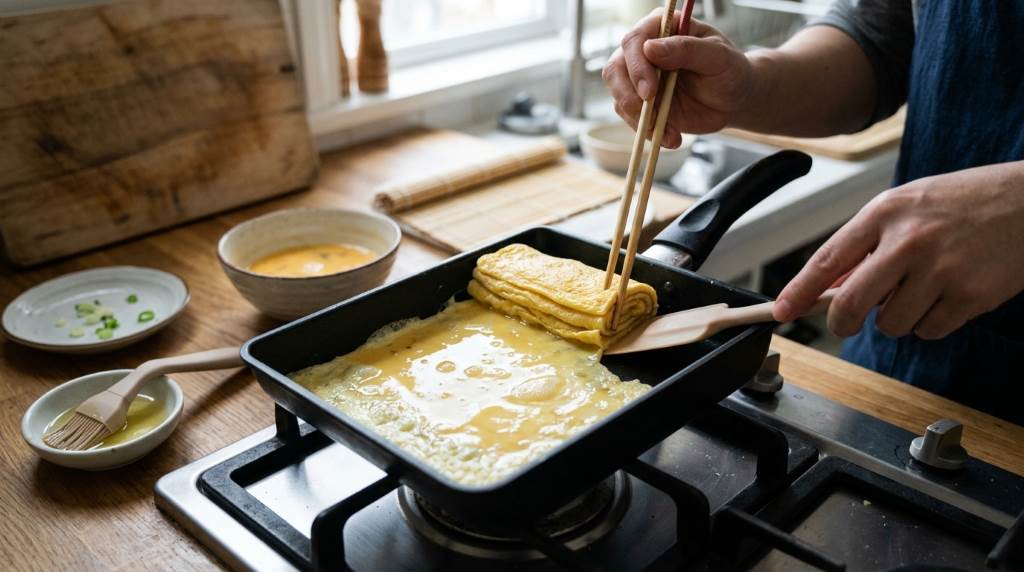
Tamagoyaki is a layered Japanese omelet that cooks by rolling thin sheets of egg together in a rectangular pan. The dish combines eggs, soy sauce, sugar, and dashi for a balanced sweet and savory taste. Japanese families often serve it for breakfast, sushi meals, and bento lunch boxes. Many beginners also enjoy learning it because the cooking process feels creative and rewarding.
The texture of tamagoyaki stays soft and fluffy while the outer layer remains smooth and golden. Unlike traditional American omelets, this recipe focuses on delicate layers instead of folded fillings. Some cooks even pair it with side dishes and desserts like this gansito cake butter icing recipe for a complete homemade meal experience. The flavor works well with rice, soup, and fresh vegetables.
Ingredients Needed For Tamagoyaki
You only need a few pantry staples to prepare authentic tamagoyaki at home. However, ingredient quality matters because the recipe uses simple flavors. Fresh eggs create the best texture and color. Japanese soy sauce and dashi also improve the final taste significantly.
- 4 large eggs
- 1 tablespoon sugar
- 1 tablespoon soy sauce
- 2 tablespoons dashi stock
- 1 teaspoon mirin
- Vegetable oil for cooking
You can also adjust sweetness according to your preference. Some families prefer a savory style while others enjoy a sweeter version. If you cannot find dashi, use light chicken broth as a substitute. Nevertheless, authentic dashi creates the traditional umami flavor people expect from Japanese cuisine.
Best Tools For Making Tamagoyaki
The right tools make the rolling process much easier and cleaner. A rectangular tamagoyaki pan helps create even layers and professional-looking slices. However, you can still use a small round nonstick skillet if necessary. A silicone spatula or chopsticks also help shape the omelet while cooking.
Many professional chefs recommend low to medium heat for consistent cooking. High heat often burns the thin egg layers before rolling begins. In addition, lightly oiling the pan before each layer prevents sticking and tearing. Keeping a folded paper towel dipped in oil nearby helps maintain a smooth cooking surface.
How To Make Japanese Rolled Omelet Tamagoyaki Step By Step
Prepare The Egg Mixture
Crack the eggs into a medium bowl and whisk them gently until combined. Avoid overbeating because too much air creates bubbles and uneven texture. Add sugar, soy sauce, mirin, and dashi while mixing slowly. Then strain the mixture through a fine sieve for a smoother omelet.
Heat And Oil The Pan
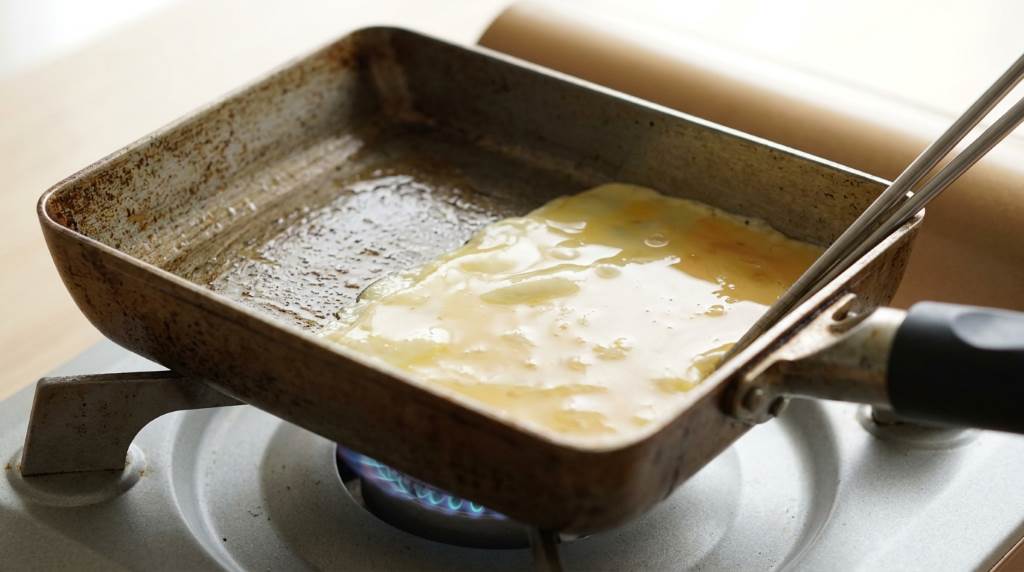
Place the tamagoyaki pan over low to medium heat before adding a small amount of oil. Spread the oil evenly across the cooking surface using a paper towel. Once the pan warms up, pour in a thin layer of egg mixture. The egg should spread quickly without sizzling aggressively.
Roll The First Layer
When the first layer becomes slightly firm, start rolling it gently toward one side of the pan. Use chopsticks or a spatula to keep the roll tight and even. Do not wait until the egg fully cooks because soft layers stick together better. This technique creates the signature spiral shape inside tamagoyaki.
Add More Layers
Move the rolled egg to one side and lightly oil the empty space again. Pour another thin layer of egg into the pan while lifting the roll slightly so fresh egg flows underneath. This method helps the layers bind together smoothly. If you enjoy learning cooking techniques, you may also like this guide on how to cook mushrooms so they are not rubbery because texture control matters in both recipes.
Finish And Slice
Repeat the layering and rolling process until you use all the egg mixture. Once finished, remove the omelet and let it rest for one minute before slicing. A short resting period helps the layers settle properly. Use a sharp knife to cut thick, even pieces for serving.
Common Mistakes To Avoid
Many beginners cook tamagoyaki over heat that is too high. This mistake causes browning and dryness before the layers fully form. Instead, maintain gentle heat throughout the cooking process. Slow cooking creates the soft and tender texture that defines authentic tamagoyaki.
Another common issue comes from pouring too much egg at once. Thick layers become difficult to roll and may break apart easily. Therefore, use thin layers for better control and cleaner spirals. Patience always improves the final presentation and flavor.
Skipping oil between layers also creates sticking problems. Even nonstick pans need light oil for smooth rolling. Additionally, avoid overcrowding the pan with fillings because traditional tamagoyaki focuses on pure egg flavor. Simplicity often produces the best results in Japanese cooking.
Tips To Make Restaurant Style Tamagoyaki
Professional Japanese chefs focus heavily on consistency and gentle handling. They pour thin layers evenly and roll with smooth movements. Practicing the rolling technique several times improves confidence quickly. Even imperfect rolls still taste delicious and satisfying.
Using dashi stock creates a more authentic restaurant-style flavor. The savory depth balances the sweetness beautifully and enhances the soft egg texture. Some chefs also add a small pinch of salt for extra balance. However, moderation remains important because soy sauce already contains sodium.
Cooling the omelet slightly before slicing helps maintain neat layers. Wetting the knife lightly with water also improves cleaner cuts. For extra presentation, garnish the slices with green onions or grated daikon radish. These small details make homemade tamagoyaki look professionally prepared.
Different Variations Of Tamagoyaki
Sweet Tamagoyaki
Sweet tamagoyaki contains slightly more sugar and often appears in Japanese bento boxes. Children especially enjoy this version because of its mild sweetness. The flavor pairs wonderfully with rice and seaweed. Many sushi restaurants also use sweet tamagoyaki in nigiri sushi.
Savory Tamagoyaki
Savory tamagoyaki reduces sugar and increases dashi flavor for a richer umami taste. Some cooks add finely chopped green onions or tiny shrimp for extra texture. This version works well as a side dish for dinner meals. It also pairs perfectly with miso soup and grilled fish.
Cheese Tamagoyaki
Modern home cooks often experiment by adding cheese to the center layers. Mozzarella and cheddar both melt beautifully inside the omelet. Although this version feels less traditional, many families enjoy the creamy texture. Fusion recipes continue growing popular in American kitchens today.
Serving Ideas For Tamagoyaki
Tamagoyaki tastes excellent as a breakfast item with steamed rice and soup. It also fits perfectly inside lunch boxes because the slices stay compact and flavorful. Some people enjoy it cold while others prefer serving it warm. The recipe remains flexible for many meal styles and occasions.
You can also serve tamagoyaki with pickled vegetables, salad, or grilled salmon for a balanced Japanese-inspired plate. Furthermore, the slightly sweet flavor complements savory dishes very well. Many food lovers prepare tamagoyaki during weekend brunch gatherings. The bright yellow slices also create beautiful table presentation.
Why Tamagoyaki Is Popular Worldwide
The growing popularity of Japanese cuisine has introduced tamagoyaki to kitchens around the world. Social media food videos also helped increase interest in learning how to make japanese rolled omelet tamagoyaki at home. People appreciate the recipe because it uses affordable ingredients and simple techniques. In addition, the dish offers high protein and satisfying flavor.
Home cooks enjoy recipes that combine beauty with practicality, and tamagoyaki delivers both successfully. The rolled layers create a unique appearance without requiring advanced culinary training. Japanese comfort foods continue attracting global audiences because of their clean flavors and balanced ingredients. As a result, tamagoyaki now appears in cafes, restaurants, and homes far beyond Japan.
Conclusion
Learning how to make japanese rolled omelet tamagoyaki gives you a fun and rewarding way to explore authentic Japanese cooking at home. The recipe requires patience and practice, yet the results feel impressive even for beginners. With fresh eggs, gentle heat, and careful rolling, you can create a soft and flavorful omelet that looks beautiful on any plate. You can also explore food traditions from around the world through dishes and articles like the cultural significance jamaican breakfast foods guide for more culinary inspiration. Try this recipe today and share your homemade tamagoyaki with family and friends.
FAQs
Can I make tamagoyaki without a rectangular pan?
Yes, you can use a small nonstick round pan, although shaping becomes slightly harder.
What does tamagoyaki taste like?
Tamagoyaki tastes mildly sweet, savory, soft, and slightly rich from the egg layers.
How long does tamagoyaki stay fresh?
Tamagoyaki stays fresh in the refrigerator for up to two days in an airtight container.
Can I freeze tamagoyaki?
Yes, you can freeze sliced tamagoyaki for about one month after cooling completely.
Is tamagoyaki healthy?
Yes, tamagoyaki provides protein, vitamins, and moderate calories when prepared with balanced ingredients.