
Imagine sinking your teeth into a perfectly cooked mushroom. It bursts with flavor and offers a tender bite. Yet, many home cooks end up with rubbery disappointments instead. This happens because mushrooms contain lots of water and chitin, a tough fiber. Learning proper techniques changes everything. First, select fresh varieties. Then, apply heat correctly to release moisture without toughening the texture.
According to the USDA, mushrooms provide essential nutrients like vitamin D and antioxidants. A study from the Journal of Food Science shows that overcooking leads to 30% more chewiness in common types. Fortunately, simple steps prevent this issue. In this guide, you discover proven methods to achieve delicious results every time. Get ready to transform your mushroom dishes.
Understanding Mushroom Texture
Mushrooms intrigue with their unique structure. They act like sponges, absorbing flavors while holding water. However, this quality often causes problems during cooking. When heat applies unevenly, the water evaporates too slowly. Consequently, the fungi turn tough and chewy.
Chitin forms the cell walls in mushrooms. This compound resembles the material in insect exoskeletons. It provides strength but resists breaking down easily. Therefore, proper preparation becomes crucial. You break down chitin through slicing and high-heat methods. Additionally, acidity from lemon or vinegar helps soften it.
Many people overlook mushroom varieties. Button mushrooms contain more water than shiitakes. As a result, they require different approaches. For instance, portobellos offer meaty textures when handled right. Understanding these differences guides your choices. Moreover, fresh specimens feel firm and dry to the touch. Avoid slimy ones, as they spoil quickly and worsen texture issues.
Science backs these observations. Researchers at Penn State University found that mushrooms lose up to 50% of their weight in water during cooking. This process, when managed well, yields tender results. Otherwise, it leads to rubberiness. So, focus on moisture control from the start.
Choosing the Best Mushrooms for Cooking
Selection starts at the market. Fresh mushrooms make all the difference. Look for caps that appear plump and unblemished. Moreover, check the gills underneath. They should stay closed or slightly open for optimal freshness.
Different types suit various dishes. Cremini mushrooms deliver earthy flavors with moderate water content. You use them in stir-fries or soups. On the other hand, oyster mushrooms tear easily and cook quickly. They excel in Asian-inspired recipes.
Portobello varieties stand out for grilling. Their large size allows for stuffing or burger substitutes. However, maitakes offer a frilly texture that crisps up nicely. Experiment with these to find favorites. Additionally, wild foraged options like morels provide unique tastes. But ensure safety by buying from trusted sources.
Storage affects quality too. Keep mushrooms in paper bags inside the fridge. This setup absorbs excess moisture. Plastic bags trap humidity and promote sliminess. Consequently, your selections stay fresh longer. Furthermore, use them within a few days for best results.
Experts recommend organic choices when possible. These often contain fewer pesticides, enhancing natural flavors. Yet, conventional ones work fine if washed properly. In any case, prioritize firmness over size.

Essential Preparation Techniques
Preparation sets the stage for success. Begin by cleaning mushrooms gently. Avoid soaking them in water, as they absorb it like sponges. Instead, wipe with a damp cloth or soft brush. This method removes dirt without adding moisture.
Slicing comes next. Cut mushrooms into even pieces for uniform cooking. Thin slices work for quick sautés. Thicker ones suit roasting. Moreover, pat them dry with paper towels afterward. Excess water on the surface leads to steaming rather than browning.
Seasoning enhances texture too. Salt draws out moisture, but add it later. Early salting makes mushrooms watery. Use herbs like thyme or garlic for flavor boosts. Additionally, a touch of acid tenderizes them. Lemon juice or balsamic vinegar works wonders.
Let mushrooms rest at room temperature before cooking. Cold ones release more water unevenly. This simple step improves outcomes. Furthermore, overcrowding the pan causes issues. Give them space to breathe and sear properly.
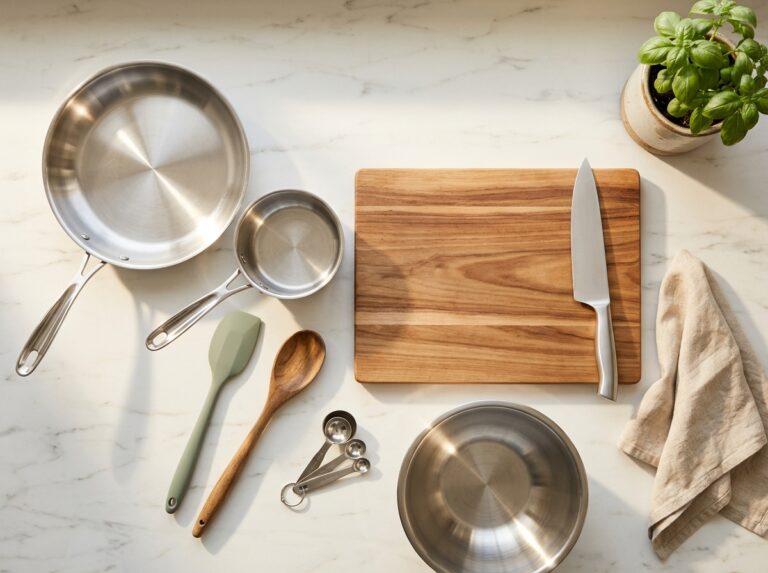
Tools matter in preparation. Sharp knives prevent bruising. Silicone brushes clean effectively without damage. With these techniques, you avoid common pitfalls.
Mastering Sautéing Methods
Sautéing ranks among the quickest ways to cook mushrooms. Start with a hot pan over medium-high heat. Add oil or butter once it shimmers. Then, toss in the prepared fungi.
Stir occasionally for even cooking. High heat evaporates water fast, preventing rubberiness. However, don’t crowd the pan. Cook in batches if needed. This approach allows proper browning.
Incorporate aromatics like onions or shallots early. They build flavor layers. Moreover, deglaze with wine or stock for extra depth. The liquid lifts browned bits, creating a tasty sauce.
Timing proves key. Most varieties need 5-7 minutes. Check for golden edges and tender centers. Overcooking toughens them quickly. Therefore, taste as you go.
Variations add excitement. Try adding soy sauce for umami. Or sprinkle parmesan for cheesiness. These twists keep meals interesting. Additionally, pair with proteins like chicken or tofu.
Practice refines your skills. Soon, you sauté mushrooms perfectly every time.
Roasting for Crispy Perfection
Roasting transforms mushrooms into crispy delights. Preheat your oven to 400°F first. Spread sliced pieces on a baking sheet. Drizzle with oil and seasonings.
Toss everything to coat evenly. Space them out to avoid steaming. Bake for 20-25 minutes, flipping halfway. This method caramelizes edges while keeping interiors tender.
High temperatures drive out moisture effectively. As a result, you get crunchy textures without chewiness. Moreover, roasting intensifies natural flavors.
Experiment with additions. Rosemary or paprika enhances taste profiles. Combine varieties for mixed roasts. Portobellos and creminis complement each other well.
Sheet pan dinners incorporate roasted mushrooms easily. Add vegetables like broccoli or potatoes. Everything cooks together seamlessly.
Monitor closely near the end. Ovens vary, so adjust times accordingly. With roasting, you achieve restaurant-quality results at home.
Grilling Mushrooms Outdoors
Grilling imparts smoky flavors to mushrooms. Prepare your grill for medium-high heat. Thread smaller ones on skewers. Brush larger caps with oil.
Place them directly on grates. Cook for 4-6 minutes per side. Baste with marinades for added zest. Garlic butter or herb mixes work great.
The dry heat evaporates water quickly. Consequently, textures stay firm yet tender. Avoid flare-ups by watching closely.
Skewers prevent small pieces from falling through. Soak wooden ones in water first. This step stops burning.
Pair grilled mushrooms with steaks or salads. They add earthy notes to summer meals. Furthermore, leftovers make excellent sandwich fillings.
Clean grates after use. Residue affects future cooks. Grilling becomes a go-to method with practice.
Steaming and Boiling Basics
Steaming preserves nutrients in mushrooms. Set up a steamer basket over boiling water. Add sliced fungi and cover. Cook for 3-5 minutes until tender.
This gentle method avoids toughness if timed right. However, oversteaming leads to mushiness. Check frequently.
Boiling suits soups or stocks. Drop mushrooms into simmering liquid. Cook briefly to maintain texture. Strain and use in recipes.
Both techniques work for meal prep. Prepared mushrooms store well in the fridge. Reheat gently to preserve quality.
Add flavors during steaming. Lemon slices or herbs infuse subtly. These additions elevate simple dishes.
Stir-Frying for Quick Meals
Stir-frying suits busy nights. Heat a wok over high flame. Add oil and swirl to coat. Toss in mushrooms with vegetables.
Stir constantly for even heat distribution. High temperatures sear quickly, locking in juices. This prevents rubbery outcomes.
Incorporate sauces like teriyaki or oyster. They glaze the fungi beautifully. Moreover, proteins like shrimp pair wonderfully.
Timing remains crucial. Mushrooms need 2-4 minutes in the mix. Remove from heat when tender-crisp.
Tools enhance stir-frying. Non-stick woks ease cleanup. Wooden spatulas prevent scratching.
Variety keeps things fresh. Try exotic mushrooms for new twists. Stir-fries become family favorites easily.
Baking in Oven Dishes
Baking incorporates mushrooms into casseroles. Chop them finely for even distribution. Mix with cheeses or breadcrumbs.
Layer in baking dishes. Cook at 375°F for 25-30 minutes. Bubbly tops signal doneness.
The enclosed heat softens textures gently. As a result, you avoid chewiness in hearty meals.
Stuffings benefit from baked mushrooms. Fill caps with mixtures and bake. They make elegant appetizers.
Combine with pastas or grains. Baked dishes feed crowds effortlessly. Leftovers reheat well too.
Related:
Gansito Cake Butter Icing Recipe
Is Reheating Rice Safe? An In-Depth Exploration
Microwaving for Speed
Microwaving offers convenience. Place mushrooms in a covered dish. Add a splash of water or oil. Heat on high for 2-3 minutes.
Stir halfway for uniformity. This method steams them quickly. However, watch to prevent overcooking.
Quick fixes suit rushed mornings. Microwaved mushrooms top omelets nicely. Or mix into salads.
Limitations exist though. Microwaves don’t brown well. Use for softening before other methods.
Combine with seasonings. Butter and garlic enhance flavors fast. Microwaving saves time effectively.
Common Mistakes to Avoid
Overcrowding pans tops the list of errors. Mushrooms release water, creating steam. Space allows evaporation instead.
Adding salt too early draws out moisture prematurely. Wait until browning starts. This keeps textures firm.
Washing under running water soaks them. Use brushing or wiping methods. Dry thoroughly before cooking.
Low heat prolongs cooking time. Fungi toughen as a result. Always start hot.
Stirring too much prevents searing. Let them sit for golden crusts. Patience pays off.
Ignoring variety differences leads to issues. Adjust techniques accordingly. Experimentation teaches best practices.
Flavor Pairings and Enhancements
Mushrooms pair well with garlic. The pungent notes complement earthiness. Sauté together for basics.
Herbs like thyme add freshness. Sprinkle during cooking. Rosemary offers woodsy vibes too.
Cheeses melt beautifully over mushrooms. Parmesan or goat cheese elevate dishes. Bake or broil for gooeyness.
Acids brighten flavors. Vinegar or citrus cuts richness. Drizzle post-cooking.
Wines deglaze pans effectively. Red varieties suit hearty types. White ones lighten profiles.
Vegetables like spinach wilt nicely alongside. Create balanced sides. Proteins such as beef intensify umami.
Health Benefits of Properly Cooked Mushrooms
Cooked mushrooms boost immunity. They contain beta-glucans for defense. Studies show reduced inflammation too.
Nutrients become more bioavailable through cooking. Vitamin D levels increase. Antioxidants fight free radicals.
Low calories make them diet-friendly. Fiber aids digestion. Potassium supports heart health.
Varieties offer specific perks. Shiitakes lower cholesterol. Reishis promote relaxation.
Incorporate daily for wellness. Salads or soups work well. Enjoy benefits without rubbery textures.
Advanced Techniques for Chefs
Dry-sautéing skips oil initially. Heat mushrooms alone to release water. Add fats later for crispiness.
Marinating infuses flavors deeply. Soak in oils and herbs. Grill or roast afterward.
Dehydrating creates snacks. Slice thin and dry slowly. Rehydrate for meals.
Fermenting adds tanginess. Pickle in brines. Use in sandwiches or salads.
Sous-vide cooking controls temperatures precisely. Seal and immerse in water baths. Tender results follow.
Smoking imparts unique tastes. Use wood chips for depth. Pair with barbecues.
Seasonal Mushroom Recipes
Spring features morels in creams. Sauté with asparagus. Serve over toast.
Summer grills portobellos. Stuff with veggies. Enjoy at picnics.
Fall roasts maitakes with squash. Add nuts for crunch. Warm comfort follows.
Winter stews shiitakes in broths. Include roots for heartiness. Cozy meals result.
Year-round sautés button mushrooms. Mix into pastas. Quick dinners satisfy.
Holidays stuff caps festively. Bake with cheeses. Impress guests easily.
Storing Cooked Mushrooms
Cool cooked mushrooms quickly. Spread on plates. Refrigerate in airtight containers.
Use within 3-4 days. Freezing extends life. Portion in bags.
Reheat gently in pans. Add moisture if needed. Microwaves work too.
Label dates for safety. Discard if off-smells appear. Proper storage prevents waste.
Incorporate leftovers creatively. Add to eggs or pizzas. Versatility shines.
Troubleshooting Rubbery Results
If mushrooms turn rubbery, assess heat levels. Increase next time. Dry thoroughly beforehand.
Check freshness. Old ones toughen easily. Buy in small quantities.
Adjust slicing thickness. Thinner pieces cook faster. Experiment with sizes.
Consider pan materials. Cast iron holds heat well. Non-stick suits beginners.
Taste test during cooking. Remove from heat promptly. Practice refines judgment.
Seek recipes online. Adapt proven methods. Confidence grows with trials.
Conclusion
Mastering mushroom cooking avoids rubbery textures through proper selection, preparation, and methods. High heat evaporates moisture quickly. Sautéing, roasting, and grilling deliver tender results. Avoid common mistakes like overcrowding or early salting. Flavor pairings enhance enjoyment. Health benefits add value to your meals.
Now, grab some fresh mushrooms and try these tips in your kitchen tonight. Your dishes will impress family and friends.
FAQs
Why Do Mushrooms Become Rubbery When Cooked?
Mushrooms hold lots of water and chitin. Uneven heat causes slow evaporation. This toughens the texture. Use high heat and dry them well to prevent it.
What Is the Best Way to Clean Mushrooms Before Cooking?
Wipe with a damp cloth or brush. Avoid soaking in water. Pat dry thoroughly. This keeps them from absorbing extra moisture.
Can I Cook Mushrooms in Advance?
Yes, prepare them ahead. Store in the fridge for a few days. Reheat gently to maintain texture. Freezing works for longer storage.
Which Mushroom Varieties Are Least Likely to Turn Rubbery?
Shiitakes and oysters cook quickly. They have less water than buttons. Portobellos offer meaty bites when grilled properly.
How Does Acid Help in Cooking Mushrooms?
Acid like lemon juice tenderizes chitin. It brightens flavors too. Add a splash during or after cooking for better results.
References
- https://www.usda.gov/topics/food-and-nutrition
- https://ift.onlinelibrary.wiley.com/journal/17503841
- https://agsci.psu.edu/research
- https://www.epicurious.com/ingredients/how-to-cook-mushrooms