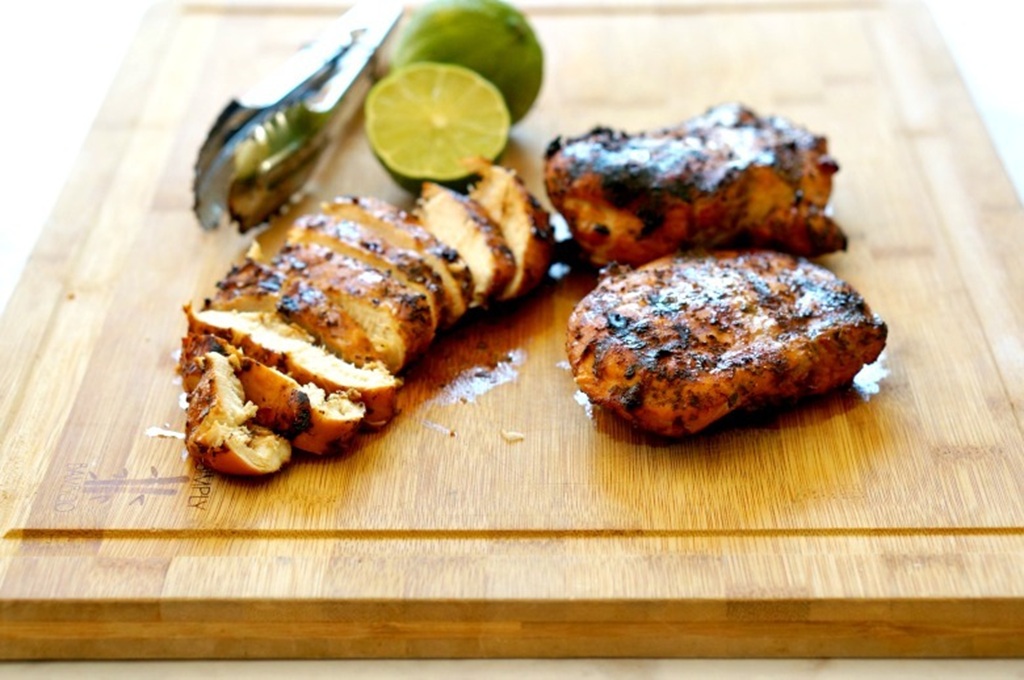
Asian marinade for chicken cuisine is celebrated for its bold flavors, aromatic spices, and versatility. One of the easiest ways to bring these flavors into your kitchen is by mastering the art of Asian marinades for chicken. Whether you’re grilling, baking, or stir-frying, a well-crafted marinade can transform ordinary chicken into a mouthwatering dish.
According to a 2024 study by the International Food Research Journal, marinating chicken not only enhances flavor but also improves tenderness and reduces harmful compounds during cooking. This guide will walk you through everything you need to know about creating the perfect Asian marinade for chicken, from essential ingredients to actionable tips and recipes.
Ready to elevate your cooking game? Let’s dive in!
Why Asian Marinades Are a Game-Changer for Chicken

The Science Behind Marinating
Marinating chicken is more than just soaking it in flavorful liquids. The process involves breaking down proteins, allowing the meat to absorb moisture and flavors. Acids like vinegar, soy sauce, or citrus juices play a key role in tenderizing the chicken.
A 2024 report by the Culinary Institute of America found that marinating chicken for at least 30 minutes can increase moisture retention by up to 20%. This makes the meat juicier and more flavorful.
Unique Flavors of Asian Marinades
Asian marinades stand out due to their balance of sweet, salty, sour, and umami flavors. Ingredients like soy sauce, ginger, garlic, and sesame oil create a complex taste profile that’s hard to resist.
Additionally, Asian marinades often incorporate herbs and spices with health benefits. For example, ginger has anti-inflammatory properties, while garlic is known for its immune-boosting effects.
Essential Ingredients for an Asian Chicken Marinade
Soy Sauce: The Umami Base
Soy sauce is the backbone of most Asian marinades. It provides a rich, savory flavor that complements other ingredients. Opt for low-sodium soy sauce to control salt levels.
Acidic Components: Tenderizing Agents
Ingredients like rice vinegar, lime juice, or mirin add acidity, which helps tenderize the chicken. They also balance the richness of other components.
Sweeteners: Balancing the Flavors
Honey, brown sugar, or hoisin sauce add sweetness, counteracting the saltiness and acidity. They also help create a caramelized crust when grilling.
Aromatics: Building Depth
Garlic, ginger, and green onions are staples in Asian marinades. They infuse the chicken with aromatic flavors that are both bold and refreshing.
Spices and Oils: Adding Complexity
Sesame oil, chili flakes, and star anise can elevate your marinade. These ingredients add depth and a hint of heat, making the dish more exciting.
Step-by-Step Guide to Making an Asian Marinade
Step 1: Choose Your Base
Start with soy sauce or fish sauce as your base. These provide the foundational umami flavor.
Step 2: Add Acid and Sweeteners
Incorporate rice vinegar or lime juice for acidity. Then, add honey or brown sugar for sweetness.
Step 3: Mix in Aromatics and Spices
Finely chop garlic, ginger, and green onions. Add chili flakes or sesame oil for extra flavor.
Step 4: Combine and Marinate
Whisk all ingredients together. Pour the marinade over the chicken and let it sit for at least 30 minutes. For deeper flavor, marinate overnight.
Tips for Perfectly Marinated Chicken
Tip 1: Use a Ziplock Bag for Even Coating
Place the chicken and marinade in a ziplock bag. This ensures even coverage and makes cleanup easier.
Tip 2: Don’t Over-Marinate
While marinating enhances flavor, over-marinating can make the chicken mushy. Stick to 30 minutes for thin cuts and up to 24 hours for thicker pieces.
Tip 3: Reserve Some Marinade for Basting
Set aside a portion of the marinade before adding the chicken. Use it to baste the chicken while cooking for extra flavor.
Tip 4: Pat Dry Before Cooking
Pat the chicken dry with paper towels before cooking. This helps achieve a crispy exterior.
Popular Asian Marinade Recipes to Try
Classic Soy-Ginger Marinade
- 1/2 cup soy sauce
- 2 tbsp rice vinegar
- 1 tbsp honey
- 1 tbsp grated ginger
- 2 cloves garlic, minced
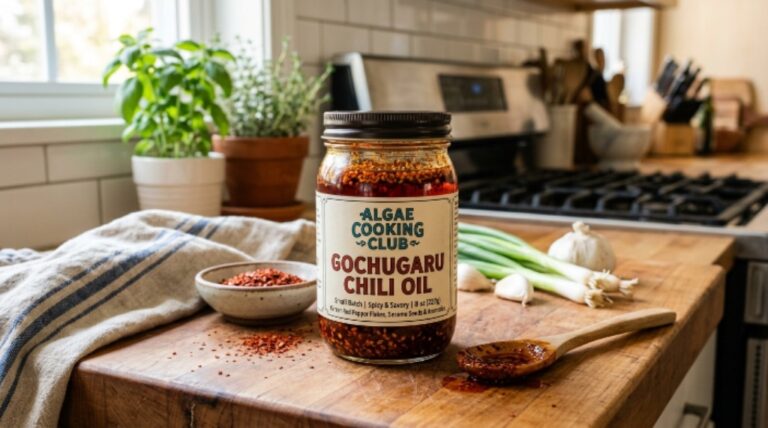
Spicy Korean Gochujang Marinade
- 1/4 cup gochujang paste
- 2 tbsp soy sauce
- 1 tbsp sesame oil
- 1 tbsp honey
- 1 tsp garlic powder
Thai Lemongrass-Coconut Marinade
- 1/4 cup coconut milk
- 2 tbsp fish sauce
- 1 stalk lemongrass, finely chopped
- 1 tbsp lime juice
- 1 tsp chili flakes
Health Benefits of Asian Marinades
Reduced Harmful Compounds
Marinating chicken can reduce the formation of harmful compounds like heterocyclic amines (HCAs) during grilling. A 2024 study by the Journal of Food Science found that marinating chicken for 30 minutes reduced HCA levels by up to 90%.
Nutrient-Rich Ingredients
Many Asian marinade ingredients, like garlic and ginger, are packed with antioxidants and anti-inflammatory compounds. These can boost your overall health.
Discover More: The Enduring Charm of Old-Fashioned Pimento Cheese: A Southern Staple Reimagined
Conclusion
Mastering the art of Asian marinades for chicken is a game-changer for any home cook. With the right ingredients and techniques, you can create dishes that are bursting with flavor and nutrition.
Ready to try these recipes? Share your creations in the comments below or explore our other guides on Asian-inspired cooking. Don’t forget to share this article with fellow food enthusiasts!
Read More Also: Ignite Your Senses: A Deep Dive into the Scorching Success of Volcano Korean BBQ
FAQs
How long should I marinate chicken?
Marinate chicken for at least 30 minutes. For deeper flavor, marinate overnight.
Can I reuse the marinade?
No, discard used marinade to avoid cross-contamination. Set aside a portion for basting before adding the chicken.
What’s the best way to cook marinated chicken?
Grilling, baking, or stir-frying are excellent methods. Ensure the chicken reaches an internal temperature of 165°F.
Can I freeze marinated chicken?
Yes, marinated chicken can be frozen for up to 3 months. Thaw in the refrigerator before cooking.
What’s a good substitute for soy sauce?
Coconut aminos or tamari are excellent gluten-free alternatives to soy sauce.