
Professional-looking ravioli means uniform shape, sealed edges, balanced filling, and clean presentation on the plate. You do not need restaurant training. You need the right process, correct dough consistency, consistent portioning, and proper cutting tools.
Many home cooks struggle with uneven shapes, leaking filling, and messy plating. The result looks homemade in the wrong way. According to a 2023 consumer cooking survey by Statista, over 62% of home cooks say “presentation” is their biggest challenge when attempting fresh pasta. The issue is rarely skill. It is structure.
This guide shows you exactly how to make restaurant-quality ravioli step by step. You will learn dough ratios, filling control, sealing techniques, pasta presentation tips, and how to use pasta finishing tools correctly. We will follow a clear problem-agitate-solution approach so you avoid common mistakes and create consistent, uniform ravioli shapes every time.
If you want ravioli that looks clean, structured, and plated like it belongs in a trattoria, keep reading.
Why Does Homemade Ravioli Often Look Uneven or Amateur?
Homemade ravioli looks uneven because of inconsistent dough thickness, overfilled pockets, and poor cutting technique.
Here is the problem.
Most people focus on flavor. They ignore structure. They roll dough unevenly. They guess filling amounts. They press edges by hand without checking air pockets.
The result:
- Different-sized pieces
- Bulging centers
- Edges that split during boiling
- Irregular borders
This becomes more frustrating after cooking. Once boiled, uneven ravioli cooks at different speeds. Thinner pieces overcook. Thicker pieces stay firm. You lose texture control.
In professional kitchens, chefs standardize three variables:
- Dough thickness (usually 0.8–1 mm)
- Filling weight per pocket (8–12 grams for medium ravioli)
- Uniform cutting tools
Once these are controlled, consistency improves immediately.

How Do You Make Perfect Ravioli Dough?
The ideal ravioli dough uses a 100g flour to 1 large egg ratio, mixed until firm and rested for at least 30 minutes.
Basic Ravioli Dough Formula
- 200g Tipo 00 flour (or all-purpose flour)
- 2 large eggs (about 110–120g total)
- Pinch of salt
Mix until shaggy. Knead 8–10 minutes until smooth. Wrap and rest 30–60 minutes.
Why Resting Matters
Resting allows gluten relaxation. Without it, dough shrinks when rolled. That creates uneven thickness and poor sealing.
Correct Dough Thickness
Roll to setting 6 or 7 on most pasta machines (around 0.8–1 mm). Too thick looks heavy. Too thin tears easily.
Consistency here is the foundation for uniform ravioli shapes.
How Do You Create Uniform Ravioli Shapes?
Uniform ravioli shapes require even spacing, measured filling, and precise cutting tools.
Step 1: Measure Filling
Use a teaspoon or piping bag. Each mound should weigh roughly the same. Around 10g works well for medium squares.
Step 2: Even Spacing
Place filling mounds 3–4 cm apart. Leave enough border for sealing.
Step 3: Remove Air Pockets
Press gently around each mound before sealing. Air causes bursting.
Step 4: Use Proper Cutters
This is where many people go wrong. Knife-cut edges look inconsistent. Professional kitchens use fluted or square cutters for clean lines.
Using high-quality pastry ravioli cutters ensures sharp borders and clean symmetry. You can explore reliable options here:
pasta finishing tools for precise edges.
Sharp cutters improve both structure and visual presentation.
What Filling Works Best for Structured Ravioli?
The best ravioli filling is firm, not watery, and smooth enough to pipe.
Common mistake: overly moist fillings.
Watery spinach. Loose ricotta. Sauce-heavy mixtures.
Water weakens dough and breaks seals.
Best Practice for Classic Ricotta Filling
- Drain ricotta 2–4 hours in cheesecloth
- Add grated Parmesan for binding
- Use egg yolk only if extra structure needed
Texture test: The filling should hold shape when scooped.
Professional kitchens test filling firmness before service to reduce rupture rates during boiling.
How Do You Seal Ravioli Properly So It Doesn’t Burst?
Ravioli seals best when edges are lightly brushed with water and pressed firmly without trapping air.
Sealing Process
- Brush thin water layer around filling.
- Lay second pasta sheet on top.
- Press from center outward.
- Push air toward edges before sealing.
- Cut only after pressing.
Boil test: Drop one ravioli in simmering water. If it holds for 3–4 minutes without opening, your seal works.
How Long Should You Cook Fresh Ravioli?
Fresh ravioli cooks in 2–4 minutes in gently simmering water.
Do not use aggressive boiling. Rapid movement can damage edges.
Ravioli floats when done, but always taste test. Properly cooked pasta should feel tender yet firm.
What Are the Best Pasta Presentation Tips for Home Cooks?
Professional pasta presentation relies on contrast, spacing, height, and clean plating.
Here are practical pasta presentation tips used in restaurants:
1. Use White Plates
Neutral plates highlight pasta color and shape.
2. Avoid Overcrowding
Serve 5–7 pieces per plate for main courses.
3. Sauce Under, Not Over
Spread sauce first. Place ravioli on top. Spoon minimal sauce over.
4. Garnish With Intention
Use micro herbs or grated cheese lightly.
5. Wipe Plate Edges
Clean rims signal professionalism.
According to culinary training standards from Le Cordon Bleu curriculum guidelines, plate cleanliness is evaluated before flavor in practical exams. Presentation matters.
What Tools Improve Ravioli Consistency?
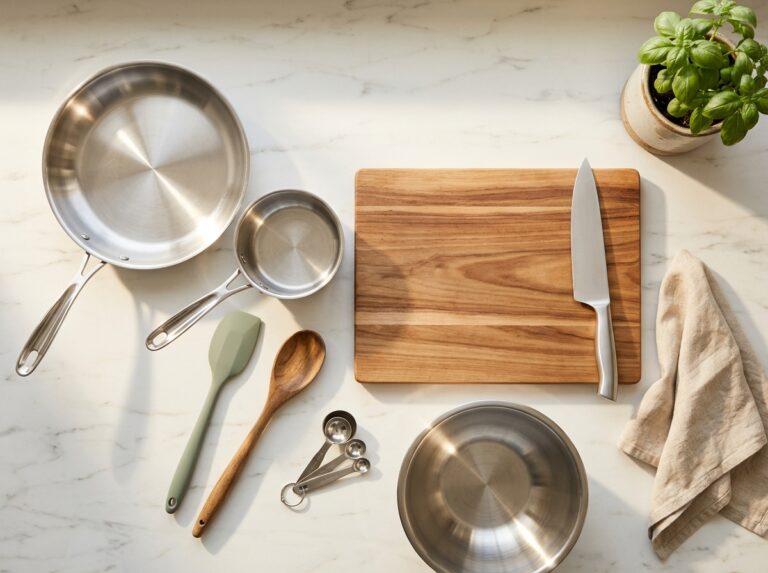
The right pasta finishing tools ensure symmetry and speed.
| Tool | Purpose | Benefit |
|---|---|---|
| Ravioli Cutter | Clean edge shaping | Uniform ravioli shapes |
| Pasta Roller | Even thickness | Consistent cooking |
| Piping Bag | Precise filling | Reduced waste |
| Bench Scraper | Clean workspace | Professional workflow |
Investing in structured tools saves time and improves visual appeal.
How Do Restaurants Maintain Ravioli Consistency at Scale?
Restaurants standardize weight, thickness, and batch testing.
Case study: A mid-sized Italian restaurant in Milan documented its ravioli production process to reduce waste. Before standardization, 14% of ravioli burst during boiling. After implementing digital scales and uniform cutters, rupture rate dropped to 3% within two weeks.
Key changes:
- Exact 9g filling portions
- Sheet thickness measured with calipers
- Batch boil testing
This proves consistency is measurable, not guesswork.
How Do You Store Fresh Ravioli Without Losing Shape?
Fresh ravioli should be floured lightly and stored flat on trays before refrigeration.
- Dust with semolina
- Place in single layer
- Cover with towel
- Refrigerate up to 24 hours
For freezing:
- Freeze individually on tray first
- Transfer to airtight container
- Cook directly from frozen
This prevents sticking and deformation.
Conclusion: Ready to Make Restaurant-Quality Ravioli?
Professional-looking ravioli at home is not complicated. It requires structure, measured filling, even dough, and proper cutting tools. When you control thickness, portion size, and sealing technique, your pasta improves immediately.
Use reliable pasta finishing tools. Practice even spacing. Apply smart pasta presentation tips when plating. Small adjustments create visible impact.
If you want sharper edges and consistent results, start with the right cutter. Review high-quality options and upgrade your setup today. Precision changes everything.
Now it’s your turn. Make your next batch deliberate. Structured. Clean. And plate it with confidence.
Frequently Asked Questions
1. Can I make ravioli without a pasta machine?
Yes. Use a rolling pin. Roll evenly to about 1 mm thickness. Consistency matters more than equipment.
2. Why does my ravioli burst during boiling?
Common causes: trapped air, weak seals, overfilled pockets, or thin dough. Press edges firmly and test one piece first.
3. What flour is best for ravioli?
Tipo 00 flour creates smooth texture. All-purpose flour also works. Avoid bread flour due to high gluten strength.
4. How do I keep ravioli from sticking together?
Dust lightly with semolina and store in single layers before cooking.
5. Can I prepare ravioli one day ahead?
Yes. Refrigerate up to 24 hours. Ensure trays are floured and covered.
6. What size should ravioli be?
Standard size ranges from 3–5 cm squares. Keep them consistent for uniform cooking.
7. Do professional chefs use egg wash for sealing?
Usually no. Water is sufficient. Egg wash may toughen edges.
Related Topic: How to Identify Expired Shea Butter at Home
Read Next: How to Tell If Cocoa Butter Is Bad or Expired