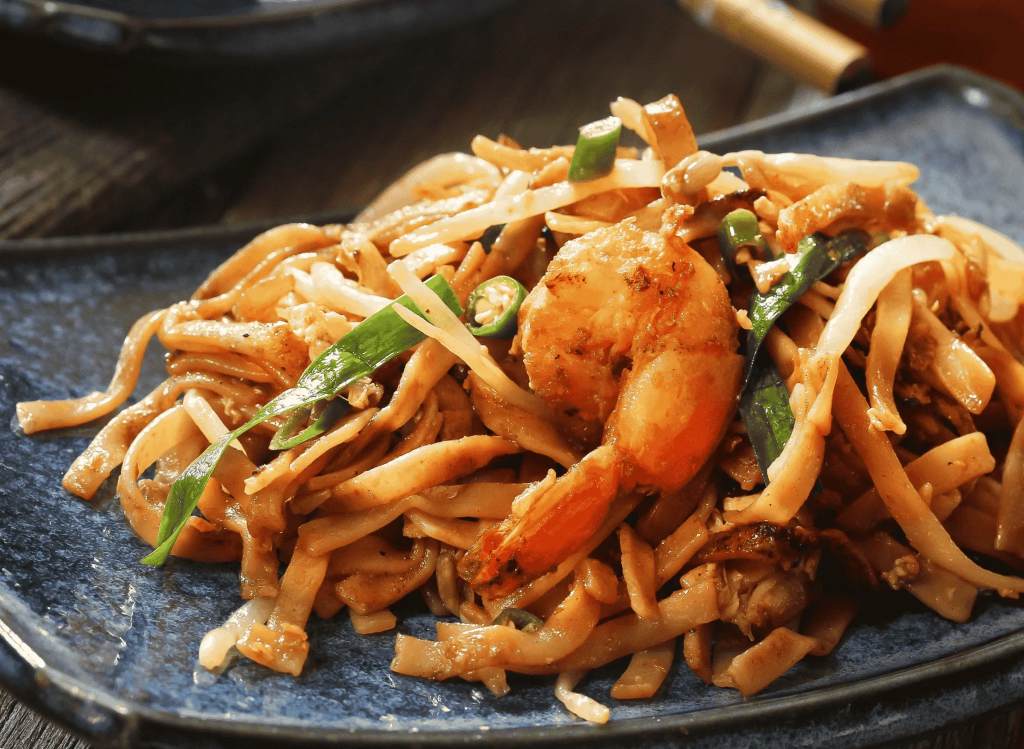
Imagine the sizzle of noodles in a hot wok. The air fills with smoky aromas from bustling Singapore hawker centers. Char kway teow draws crowds with its savory allure. This stir-fried noodle dish mixes flat rice noodles, prawns, eggs, and bean sprouts. Chefs toss it quickly over high heat. Home cooks can capture that magic too. Singapore’s hawker culture thrives, with over 13,000 stalls serving millions daily, according to the National Environment Agency. UNESCO recognized it as Intangible Cultural Heritage in 2020. Recreating this at home brings authentic flavors to your kitchen. You gain skills and enjoy a taste of Southeast Asia without travel.
What is Char Kway Teow?
Char kway teow stands as a beloved street food in Singapore. Cooks prepare it with flat rice noodles, known as kway teow. They stir-fry these with ingredients like Chinese sausage, fish cake, and cockles. Soy sauce adds depth, while chili brings heat. The dish balances sweet, salty, and umami notes. Many enjoy it for lunch or dinner. Hawker versions shine with wok hei, that smoky breath from intense flames. Home recreations aim to mimic this essence. Enthusiasts praise its comforting texture. Noodles stay chewy, not mushy. Proteins provide bursts of flavor. Vegetables offer crunch. Overall, it embodies quick, satisfying meals.
Singaporeans cherish char kway teow for its roots in Teochew cuisine. Immigrants adapted it over generations. Today, variations exist across regions. Yet, the core remains simple. Fresh elements matter most. Quality elevates the experience. Beginners find it approachable. Seasoned cooks experiment freely. This flexibility draws people in. Moreover, it pairs well with lime or sambal. Such additions enhance enjoyment. Truly, char kway teow represents culinary heritage.
The History and Cultural Significance of Char Kway Teow
Char kway teow traces back to 19th-century China. Teochew migrants brought noodle traditions to Southeast Asia. They settled in Singapore and Malaysia. Street vendors adapted recipes using local ingredients. Prawns and cockles became staples. Over time, it evolved into a hawker favorite. Post-World War II, hawkers proliferated in Singapore. They offered affordable meals to workers. Char kway teow gained popularity for its energy boost. Carbs from noodles fueled long days. Proteins sustained strength.
Culturally, it symbolizes diversity. Singapore’s melting pot influences shine through. Malay spices add kick. Chinese techniques dominate stir-frying. Indian elements sometimes appear in curries. UNESCO’s 2020 listing highlights its importance. Hawker centers foster community bonds. Families gather around shared plates. Tourists seek it for authentic experiences. Additionally, it reflects resilience. Vendors innovate amid challenges. Health trends prompt lighter versions. Still, tradition endures. Stories pass down through generations. Chefs share secrets verbally. This oral history preserves authenticity.
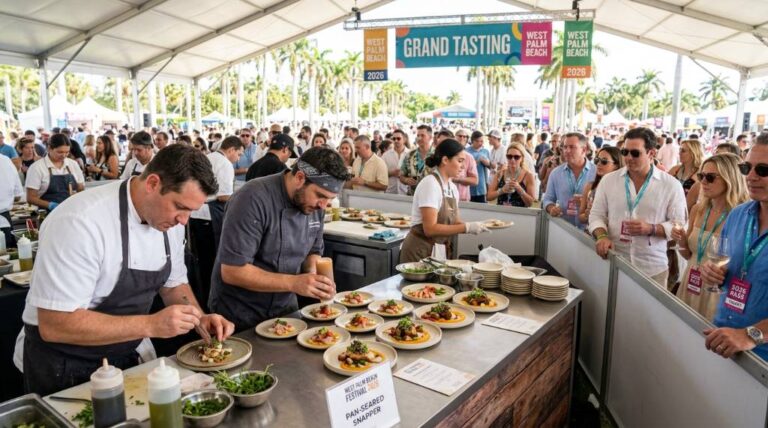
Furthermore, festivals celebrate hawker foods. Events showcase char kway teow variations. Judges award top creations. Participants learn from masters. Such gatherings strengthen cultural ties. Media features amplify its reach. Documentaries explore origins. Books detail recipes. Social media spreads home attempts. Enthusiasts post tutorials online. Consequently, global audiences try it. Diaspora communities recreate it abroad. Nostalgia drives their efforts. In essence, char kway teow unites people across borders.
Essential Ingredients for Authentic Char Kway Teow
Gather fresh ingredients first. Flat rice noodles form the base. Choose wide, fresh ones for best texture. Dried versions work in a pinch. Soak them beforehand. Prawns add sweetness and juiciness. Select medium-sized, deveined ones. Cockles bring briny notes. Use fresh or canned if unavailable. Chinese sausage, or lap cheong, imparts smoky flavor. Slice it thinly.
Bean sprouts provide crunch. Chives cut into lengths offer aroma. Eggs bind everything together. Fish cake slices contribute chewiness. For sauce, dark soy sauce darkens the mix. Light soy sauce seasons lightly. Oyster sauce enhances umami. Sambal chili paste heats things up. Adjust to taste. Garlic and shallots build the base. Mince them finely. Lard or oil fries everything. Traditionalists prefer lard for richness.
Additionally, blood cockles appear in some recipes. They add unique texture. However, skip if squeamish. Lime wedges brighten the dish. Squeeze them over top. Pick high-quality items. Markets offer the best. Check freshness dates. Store properly to maintain quality. For example, refrigerate proteins. Keep noodles cool. This preparation ensures success. Variations allow substitutions. Tofu replaces meat for vegetarians. Mushrooms boost earthiness. Experiment cautiously.
Equipment Needed to Recreate It at Home
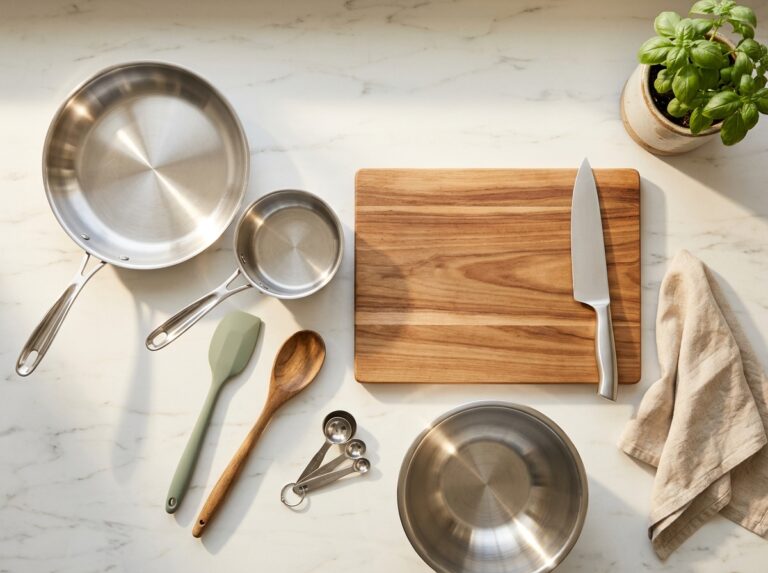
Start with a sturdy wok. Carbon steel versions heat evenly. They develop seasoning over time. Non-stick options suit beginners. A wok spatula aids stirring. Long chopsticks help too. High-heat stove burners mimic hawker flames. Gas stoves excel here. Electric ones require patience.
Measuring tools ensure accuracy. Spoons and cups portion sauces. A sharp knife chops ingredients swiftly. Cutting board protects surfaces. Bowls hold prepped items. This organization speeds cooking. Moreover, a strainer drains noodles. Tongs handle hot prawns.
For safety, use oven mitts. Ventilation clears smoke. Fire extinguishers stand ready. Clean as you go. This habit maintains order. Invest in quality gear gradually. Start simple. Build your kit. Consequently, cooking becomes enjoyable. Home setups differ from hawkers. Yet, creativity bridges gaps.
Step-by-Step Recipe to Make Char Kway Teow

Prepare ingredients ahead. Chop garlic and shallots. Slice Chinese sausage and fish cake. Devein prawns. Rinse bean sprouts and chives. Beat eggs lightly. Soak dried noodles if using. Heat wok over high flame. Add lard or oil. Swirl to coat.
Fry garlic and shallots until fragrant. Add Chinese sausage next. Stir until golden. Push aside. Cook prawns briefly. They turn pink quickly. Incorporate fish cake slices. Mix everything. Add noodles carefully. Toss to combine.
Pour in sauces: dark soy, light soy, oyster. Stir vigorously. Create space for eggs. Scramble them softly. Fold into noodles. Add bean sprouts and chives. Toss again. Introduce cockles last. They cook fast. Season with sambal. Adjust heat.
Serve immediately. Plate hot. Garnish with lime. This serves two. Scale up as needed. Practice refines technique. First attempts vary. Persistence pays off.
- Heat wok on high.
- Add fat, then aromatics.
- Incorporate proteins sequentially.
- Mix noodles and sauces.
- Scramble eggs in wok.
- Add vegetables and shellfish.
- Season and serve.
Tips for Achieving Authentic Wok Hei Flavor
Aim for high heat. It creates that smoky essence. Preheat wok thoroughly. Smoke signals readiness. Work in batches if needed. Overcrowding cools the pan. Stir constantly. This prevents sticking.
Use fresh lard. It imparts traditional taste. Vegetable oil substitutes neutrally. Add a dash of sugar. It caramelizes nicely. Balance flavors meticulously. Taste as you cook. Adjust sauces incrementally.
Moreover, source fresh noodles. They absorb flavors better. Dry ones need hydration. Experiment with fire. Char edges slightly. Ventilation helps manage smoke. Practice builds confidence. Watch tutorials for visuals. Join online communities. Share experiences.
Furthermore, rest ingredients at room temp. Cold items lower heat. Time cooking precisely. Overdone noodles turn mushy. Undercooked proteins risk safety. Patience refines results. Enjoy the process. It enhances outcomes.
Common Mistakes to Avoid When Cooking
Don’t overcrowd the wok. It steams instead of fries. Cook in stages. Avoid low heat. Wok hei demands intensity. Boost flames safely.
Skip prepping ahead. Chaos ensues otherwise. Measure everything first. Forget balancing flavors. Overly salty dishes disappoint. Taste frequently.
Use wrong noodles. Thin ones break easily. Opt for flat, wide types. Ignore freshness. Stale ingredients dull taste. Shop mindfully.
Additionally, stir too gently. Vigorous tossing coats evenly. Overcook vegetables. They lose crunch. Add them late.
Finally, serve cold. Heat fades quickly. Plate promptly. Learn from errors. Each try improves.
Variations and Customizations of Char Kway Teow
Vegetarian versions omit meats. Tofu cubes replace prawns. Mushrooms add umami. Eggs stay or go vegan.
Seafood lovers amp up shellfish. Add squid rings. Crab meat elevates luxury. Balance portions.
Spicy fans increase sambal. Fresh chilies boost heat. Mild eaters reduce it. Customize freely.
Moreover, add greens. Bok choy wilts nicely. Spinach integrates well. Nutrients increase.
Experiment with sauces. Hoisin adds sweetness. Fish sauce deepens savoriness. Test combinations.
Regional twists exist. Penang style uses duck eggs. Malaysian adds more prawns. Adapt accordingly.
Furthermore, gluten-free options use rice alternatives. Tamari substitutes soy. Inclusivity matters.
Personalize for diets. Low-carb with shirataki. High-protein with extra eggs. Creativity shines.
Healthier Alternatives and Nutritional Insights
Lighten with less oil. Stir-fry techniques reduce fat. Bake proteins separately.
Choose whole ingredients. Brown rice noodles add fiber. Vegetables bulk up volume.
Control sodium. Low-sodium soy helps. Herbs season naturally.
Studies show balanced meals aid health. A 2023 Singapore Health Promotion Board report notes hawker foods can fit diets. Portion control matters. Char kway teow provides carbs for energy. Proteins support muscle.
Additionally, add superfoods. Kale boosts vitamins. Nuts offer healthy fats. Innovation promotes wellness.
Track macros. Apps assist. Adjust recipes. Enjoy moderately.
Furthermore, research from the National University of Singapore highlights antioxidants in garlic. They combat inflammation. Prawns supply omega-3s. Overall, mindful cooking enhances benefits.
Related:
Aleppo Kazan Kababi Recipe: A Bold Syrian Dish You Must Try
How to Make Chili Seasoning – Simple & Flavorful Recipe
Pairing Suggestions and Serving Ideas
Serve with chilled drinks. Iced tea refreshes. Lime juice cools spice.
Side salads complement. Cucumber slices add freshness. Pickles provide tang.
Family-style works best. Share large platters. Conversation flows.
Moreover, picnic adaptations suit outdoors. Pack in boxes. Portability counts.
Festive occasions elevate it. Add garnishes. Impress guests.
Furthermore, leftover ideas transform remnants. Fry with eggs. New meals emerge.
Experiment pairings. Soups balance richness. Fruits cleanse palate.
Advanced Techniques for Home Chefs
Master flame control. Gas stoves allow precision. Electric needs adaptation.
Infuse oils. Garlic versions enhance base. Experiment safely.
Layer flavors. Build sequentially. Depth develops.
Additionally, use smokers. Add wok hei artificially. Tools help.
Study masters. Books detail methods. Apply learnings.
Furthermore, batch prep. Freeze components. Convenience rises.
Refine plating. Aesthetics matter. Enjoy visually.
Troubleshooting Common Issues
Noodles stick? Oil more. Heat properly.
Too dry? Add stock. Moisten gently.
Bland taste? Boost seasonings. Taste iteratively.
Overly oily? Drain excess. Paper towels absorb.
Vegetables soggy? Cook briefly. High heat preserves.
Proteins tough? Marinate first. Tenderize naturally.
Smoke overwhelms? Ventilate room. Fans assist.
The Joy of Home Cooking Singaporean Dishes
Recreating char kway teow builds skills. Confidence grows. Family bonds strengthen.
Cultural appreciation deepens. Stories unfold. Heritage lives.
Moreover, savings occur. Home meals cost less. Quality controls.
Health customizes. Diets adapt. Wellness improves.
Furthermore, creativity sparks. Innovations emerge. Fun ensues.
Community connects. Share recipes. Feedback refines.
Overall, joy multiplies. Satisfaction rewards efforts.
Conclusion
Char kway teow captivates with its flavors and history. You learned essential ingredients and steps. Tips ensure authenticity. Variations allow personalization. Avoid mistakes for best results. Healthier twists promote balance. Now, gather supplies and start cooking. Transform your kitchen into a hawker stall tonight.
FAQs
What makes char kway teow different from other noodle dishes?
Char kway teow uses flat rice noodles stir-fried with specific proteins like prawns and cockles. Wok hei sets it apart. Other dishes might boil or use wheat noodles.
Can I make char kway teow without a wok?
Yes, use a large skillet. Heat it high. Stir frequently. Results approximate authenticity.
How do I store leftover char kway teow?
Cool quickly. Refrigerate in airtight containers. Reheat in microwave or wok. Consume within two days.
Is char kway teow gluten-free?
Naturally, yes, with rice noodles. Check sauces for wheat. Use tamari alternatives.
What substitutes work for cockles?
Clams or mussels replace them. Omit for simpler versions. Flavor adjusts accordingly.
References
- https://www.nea.gov.sg/our-services/hawker-management/overview
- https://ich.unesco.org/en/RL/hawker-culture-in-singapore-community-dining-and-culinary-practices-in-a-multicultural-urban-context-01633
- https://www.hpb.gov.sg/article/hawker-food-can-be-healthy-too
- https://nus.edu.sg/research/key-focus-areas/food-science-technology