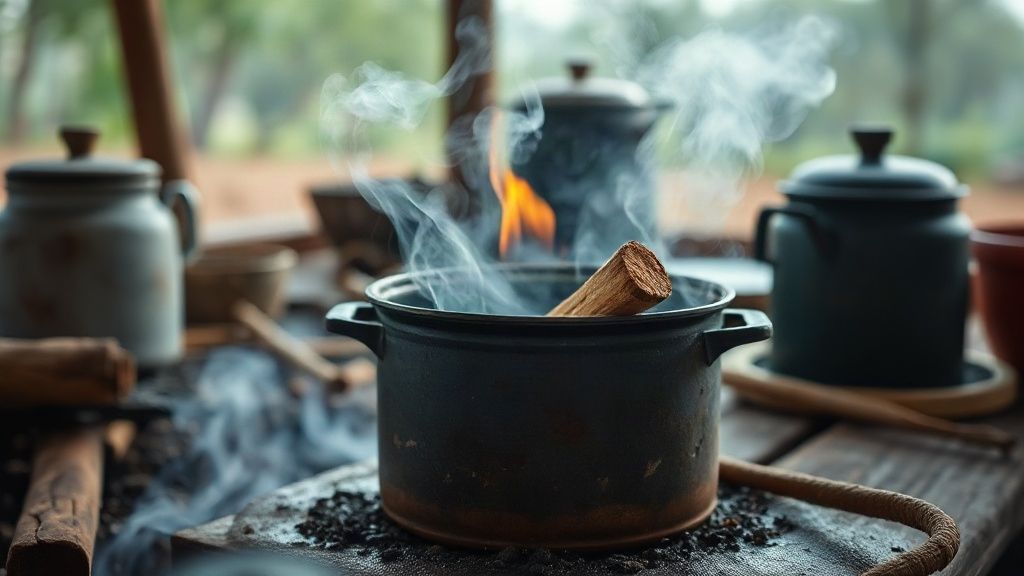
Cooking without the grid is a daily reality for millions of rural households, and it asks a practical question: what do you burn when the power line ends at the last pole? The answer depends on what your land, climate and budget can supply reliably, whether that is wood, bottled gas, solar heat or a small biodigester. This guide compares the main fuel options, explains how storage and safety change the math, and shows which setups work best for different rural situations. For readers exploring a lower-cost homestead energy setup, the approach at https://greenideasproducts.com/ starts with matching the fuel to the terrain and the cooking habits of the household.
Quick answer: Most off-grid homes combine two or three fuels rather than relying on one. Wood or propane handles everyday cooking, a solar cooker or rocket stove covers sunny days and quick meals, and a backup like a kerosene stove or a small biogas unit fills the gaps. The priority is steady supply, safe venting, and enough stored fuel to last through the worst week of the year.
What is cooking without the grid?
The phrase describes any household that prepares meals without a mains electricity or natural gas connection. That covers remote farms, cabins, and homes in regions where the utility network is unreliable. The cooking itself happens on combustion stoves, solar concentrators, or stored-fuel appliances instead of an electric range.
Three fuel families dominate:
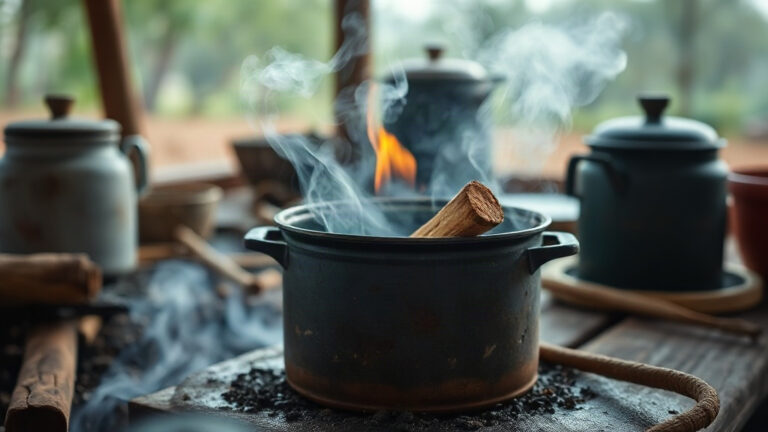
- Solid fuels: firewood, charcoal, wood pellets, and dried crop residues.
- Liquid and gas fuels: propane or butane cylinders, kerosene, and ethanol.
- Renewable heat: solar cookers, biogas from digested organic waste, and concentrated sunlight systems.
Each family behaves differently. Solid fuels are cheap but need dry storage and steady attention. Bottled gas is clean and instant but depends on deliveries. Solar works only when the sun cooperates, which makes it a daytime partner rather than a full solution.
The most useful way to think about these options is by task. Boiling water for rice or beans needs sustained heat. Frying needs quick control. Baking needs an enclosed oven with even temperature. No single off-grid fuel excels at all three, which is why experienced households mix them.
Takeaway: Start by listing the meals you actually cook each week, then match each one to a fuel that handles it well.
Why cooking without the grid matters
The stakes go beyond convenience. A household that cannot cook reliably faces real costs in money, health, and time.
Fuel choice affects indoor air quality. Open fires and poorly vented charcoal stoves release carbon monoxide and fine particles. The World Health Organization links household air pollution from solid fuels to serious respiratory illness, especially in women and children who spend the most time near the hearth. A well-vented stove and a working chimney are not luxuries; they are health equipment.
Supply chains are fragile in rural areas. Propane deliveries can be delayed by bad roads or storms. Firewood runs short where forests are depleted. A home that depends on one fuel has no fallback when that fuel disappears for a week.
Costs add up quietly. Bottled gas prices swing with global markets. Firewood is cheap only if you can gather and season it yourself. Solar and biogas need upfront investment but then run on free inputs. Comparing fuels over five to ten years gives a truer picture than comparing the price of a single cylinder.
Meal quality and routine suffer without planning. Cooking three meals a day on an undersized stove forces compromises: undercooked beans, skipped hot breakfasts, or expensive packaged food. A fuel plan protects the daily rhythm of the household.
Takeaway: Treat fuel security the same way you treat water security, with stored reserves and more than one source.
Best practices
Good off-grid kitchens are built around redundancy and preparation. The following habits separate setups that work smoothly from ones that struggle.
Store fuel like it is food
Keep firewood under cover and off the ground for at least six months before burning it. Wet wood wastes heat on boiling off moisture and creates more smoke. Keep propane cylinders upright, outdoors, and away from heat sources. Store kerosene in clearly labeled metal cans, never in soft drink bottles.
Size the stove to the household
A family of two does not need the same burner as a family of eight. Oversized fires waste fuel; undersized ones stretch cooking time and tempt people to undercook food. Match pot size to burner size as well, since flames licking up the sides of a small pot simply lose heat.
Vent every flame
Install a chimney or hood on any indoor combustion stove. Crack a window when using a portable gas burner. Place charcoal stoves outdoors or on a covered porch. Carbon monoxide is odorless, so make ventilation a fixed habit rather than a judgment call.
Layer your fuels by season and task
Use solar cookers on bright days for slow dishes like stews and grains. Reserve gas for quick frying and rainy weeks. Burn wood in a rocket stove for high-heat tasks that suit it. This rotation stretches each fuel further.
Plan for the worst week of the year
Keep at least a two-week reserve of your primary fuel and a backup method that works in storms. A small kerosene stove or an extra gas cylinder earns its space the first time roads close.
Most off-grid cooking failures trace back to storage and planning, not to the stove itself. Dry fuel and a reserve beat a better burner almost every time.
Takeaway: Buy or build storage before you upgrade equipment.
Common mistakes to avoid
The same problems show up repeatedly in rural kitchens. Recognizing them early saves fuel, money, and health.
Burning unseasoned wood. Freshly cut wood can be half water by weight. It smolders, smokes heavily, and coats chimneys with creosote, which raises the risk of a chimney fire.
Ignoring carbon monoxide. A stove that "worked fine for years" can still leak. Install a battery-powered carbon monoxide alarm near sleeping areas, and test it monthly.
Choosing a fuel before checking local supply. A biogas digester makes little sense if you have no steady source of animal manure or kitchen waste. A pellet stove fails if no one within reach sells pellets.
Underestimating solar limits. Solar cookers are excellent in clear, high-sun climates. They are unreliable in cloudy seasons and useless after dark. Homes that buy a solar cooker as their only method usually end up cooking on something else within weeks.
Skipping maintenance. Chimneys need sweeping, gas hoses need inspection, and burners need cleaning. Small chores prevent most failures and accidents.
If you have livestock or steady kitchen scraps, a small digester can turn waste into a daily cooking flame. The practical steps for building one are covered in this guide to how to make biogas at home, and the approach fits well alongside a wood or gas backup.
Any indoor flame needs fresh air and a working alarm. Never run a charcoal stove or generator inside a closed room, even briefly.
Takeaway: Most accidents and wasted fuel come from small, predictable oversights that are easy to fix.
FAQ
Which off-grid cooking fuel is cheapest to run long term?
Solar and biogas have the lowest ongoing fuel costs because sunlight and organic waste are free. Their upfront cost is higher. Firewood is cheap if you can gather and season it yourself but costs more when purchased. Bottled gas is convenient but exposed to price swings.
Can I cook indoors with a propane stove without a chimney?
Yes, if the room has proper ventilation and the burner is rated for indoor use. Portable camp stoves often are not. Crack a window, never use the stove for space heating, and keep a carbon monoxide alarm nearby.
How much fuel should I store for a family of four?
A practical target is two weeks of your primary fuel plus a working backup method. For gas users, that usually means a spare cylinder. For wood users, a covered stack that lasts through the wettest month of the year.
Is a solar cooker enough on its own?
Rarely. Solar cookers work well in clear, strong sun but fail in cloudy weather and after dark. They work best as a daytime partner to a combustion stove rather than a primary fuel.
How long does firewood need to season?
Most hardwoods need six to twelve months of covered, elevated storage to reach a safe moisture level. Softwoods dry faster. Split wood dries much faster than whole rounds.
Conclusion
Reliable cooking without the grid comes from a simple principle: no household should depend on a single fuel. Wood, gas, solar, and biogas each cover different tasks and fail for different reasons, so pairing two or three creates a kitchen that keeps working through storms and shortages. Storage, ventilation, and a carbon monoxide alarm matter as much as the stove itself.
Start this week by auditing your current fuel supply and storage. Then add one backup method and a two-week reserve of your main fuel before the next winter or rainy season arrives, and note how much easier the daily routine becomes.