
Boiling pasta might seem like a simple task, but achieving that perfect al dente texture requires technique, patience, and attention to detail. Whether you’re a beginner or a seasoned cook, understanding how to boil pasta correctly ensures every dish you create shines. This guide covers everything from choosing the right pasta to troubleshooting common mistakes, along with expert tips for enhancing flavor.
Explore this article to uncover proven methods and techniques, including tools, tips, and even links to enhance your pasta-cooking journey like exploring Premierliteracy for additional culinary insights.
The Basics: Understanding Pasta and Boiling Essentials
What Makes Pasta Perfect?
Pasta perfection lies in the balance between texture, flavor, and preparation. Cooking pasta until it’s al dente—firm yet tender—ensures it retains its shape while blending seamlessly with your sauce. According to a study from the National Pasta Association, over 60% of people believe texture is the key to an enjoyable pasta dish.
Choosing the Right Pasta Shape
Pasta isn’t one-size-fits-all. The type of pasta you select impacts how well it holds sauces. For example:
- Spaghetti works beautifully with light tomato or oil-based sauces.
- Farfalle pairs well with cream sauces.
- Sacchetti pasta is ideal for stuffed recipes; learn more about how to perfect it here.
Water Quality and Quantity
For every pound of pasta, use at least 4–6 quarts of water. Why? A larger volume prevents sticking and ensures even cooking. Add salt generously—think ocean water salinity—to season the pasta from within.
Step-by-Step Guide to Boiling Pasta
Preparation: Setting the Stage
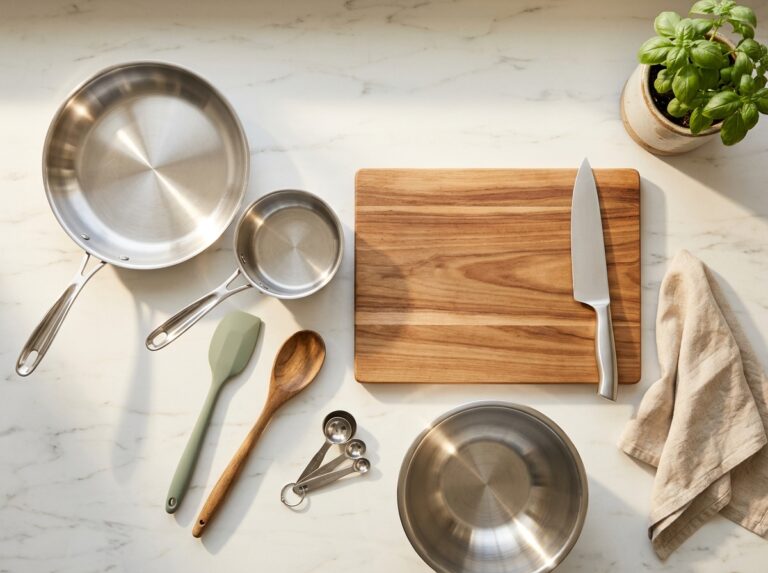
Before you start, gather your tools: a large pot, strainer, and wooden spoon. The right equipment simplifies the process.
- Fill the Pot with Water
Use cold, fresh water. Starting with hot water can introduce impurities from pipes. - Salt the Water
Add 1–2 tablespoons of salt for every quart of water. Contrary to popular belief, salt doesn’t make water boil faster but enhances pasta flavor. - Bring Water to a Rolling Boil
Wait until the water reaches a vigorous boil. This ensures the pasta won’t sink and stick at the bottom.
Cooking the Pasta
- Add Pasta Gradually
Stir immediately to prevent clumping. - Monitor the Cooking Time
Use package instructions as a guide, but always taste-test a minute or two before the suggested time. - Stir Occasionally
Stirring prevents pasta from sticking together or to the pot.
Related: Beyond Bland: Mastering the Art of Boiling Green Beans
Special Techniques for Different Pasta Types

Cooking Sacchetti Pasta Perfectly
Sacchetti pasta, with its stuffed centers, requires special care. Boil it for 3–5 minutes in lightly salted water and handle it gently with a slotted spoon to avoid tearing. Learn more about its cooking nuances here.
Gluten-Free and Whole Wheat Pasta
- Gluten-Free Pasta: Requires extra stirring to avoid a gummy texture.
- Whole Wheat Pasta: Cook slightly longer and pair with robust sauces.
Flavor Boosters and Finishing Touches
Why Reserve Pasta Water?
The starchy pasta water is a secret weapon for sauces, helping to emulsify and bind ingredients. Before draining, scoop out a cup for later use.
Draining and Rinsing: Yes or No?
- Do Not Rinse: For hot dishes, rinsing removes starch that helps sauces adhere.
- Do Rinse: When preparing cold pasta salads, rinse to cool the pasta quickly.
Tossing with Oil: A Myth?
Avoid adding oil during boiling—it prevents sauces from sticking. Instead, toss cooked pasta directly with your sauce.
Troubleshooting Common Mistakes
Overcooking or Undercooking Pasta
Timing is everything. Test the pasta frequently toward the end of cooking.
Sticky Pasta
This usually happens when the pot is too small or stirring is neglected. A quick stir every couple of minutes solves this problem.
Broken Pasta
Avoid breaking long pasta like spaghetti before cooking; it compromises the texture and presentation.
The Science Behind Boiling Pasta
What Happens During Boiling?
When pasta boils, starches gelatinize, absorbing water and softening. Al dente pasta retains some structure, offering a perfect bite.
How Salt Affects Boiling Water
Salt raises the boiling point slightly, but its primary function is seasoning. Studies show that unsalted pasta can taste up to 20% less flavorful.
Enhancing Your Pasta Experience
Pairing Sauces with Pasta
Matching sauce to pasta shape is an art. For instance:
- Tubular pasta like rigatoni holds chunky sauces.
- Thin pasta like angel hair works best with light, delicate sauces.
Serving Suggestions
- Serve pasta immediately after cooking to preserve texture.
- Reheat leftovers with a splash of water to rejuvenate the sauce.
Conclusion: Master the Art of Boiling Pasta
Boiling pasta is more than just a kitchen task; it’s a culinary ritual. By understanding the basics, employing the right techniques, and troubleshooting common issues, you can elevate your pasta game. Whether it’s perfecting a family recipe or impressing guests with a gourmet dish, boiling pasta flawlessly is an essential skill.