
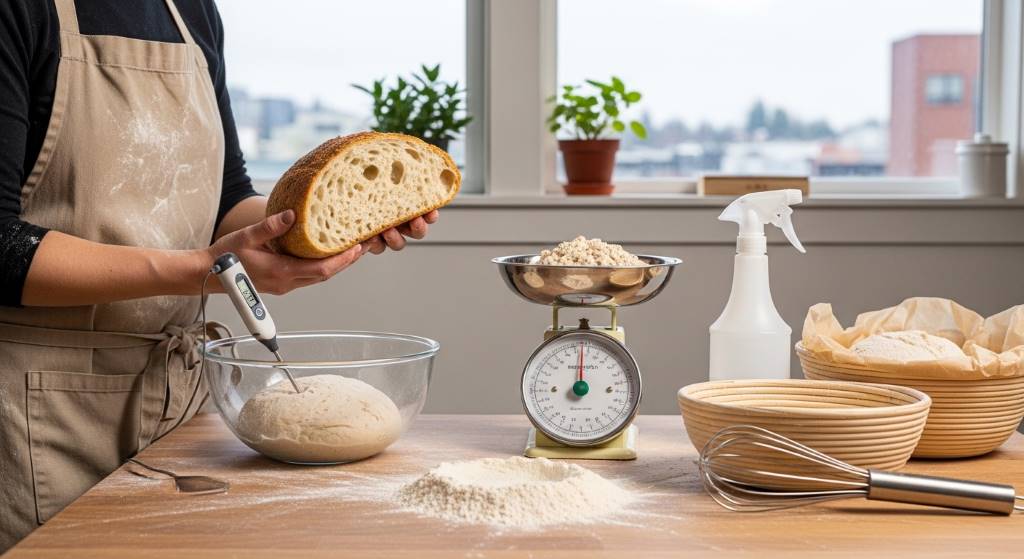
Homemade bread brings comfort, flavor, and creativity into kitchens across Portland, OR. However, many home bakers struggle with heavy loaves that collapse in the center before cooling. According to baking industry surveys, nearly 45% of beginner bakers experience sinking bread at least once during the first year of baking. In addition, humidity changes can affect dough consistency by up to 20%, especially in coastal climates like Portland. Many people searching for solutions related to bread machine bread falls after rising often face the same underlying issues found in handmade bread recipes. Fortunately, Portland bakers use practical methods that create lighter texture, stronger structure, and more reliable results at home.
Understanding Why Homemade Bread Turns Dense
Dense bread usually starts with weak gluten development or incorrect fermentation timing. Many Portland bakers notice this issue more often during colder, wetter months because indoor temperatures fluctuate throughout the day. As a result, yeast activity slows down and dough struggles to rise properly. Experienced bakers often compare dough structure techniques to pasta shaping methods found in guides about professional looking ravioli at home because both rely heavily on texture control and proper moisture balance.
Overloading dough with flour also creates heavy bread that lacks air pockets. Many beginners add extra flour too early because sticky dough feels difficult to handle at first. However, slightly tacky dough usually produces softer and lighter bread after baking. Portland bakers often wait several minutes before adjusting hydration levels because flour absorbs moisture gradually in humid conditions.
Another major factor involves underproofing the dough before baking. When yeast does not have enough time to release gas, bread remains compact and chewy inside. On the other hand, overproofing weakens dough structure and leads to collapsing loaves. Therefore, skilled bakers watch the dough itself instead of relying only on the clock.
How Portland’s Climate Impacts Bread Baking
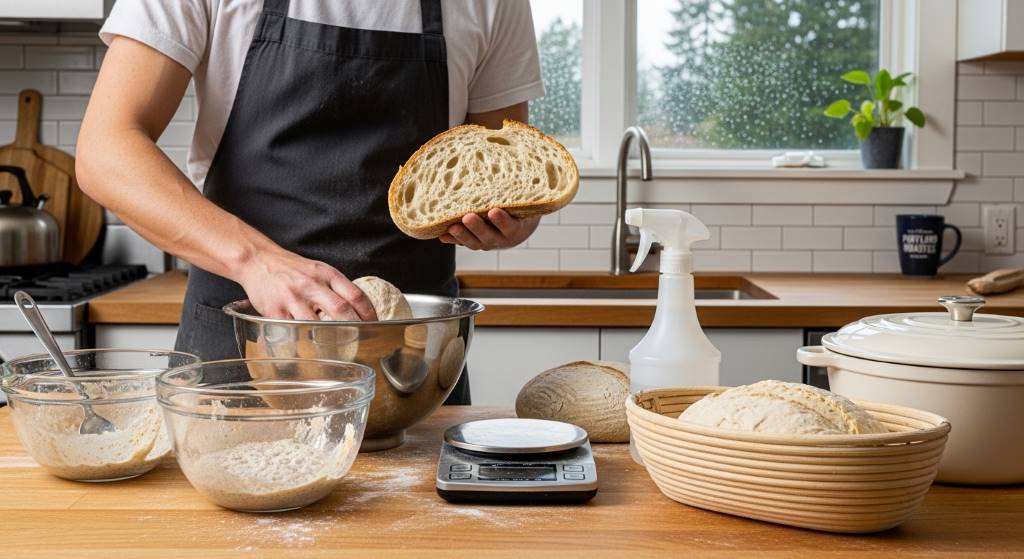
Portland’s damp climate changes dough behavior throughout the year. During rainy months, flour absorbs moisture directly from the surrounding air before mixing even begins. Consequently, dough often becomes wetter than recipes originally intended. Bakers in Portland usually reduce water slightly during winter while increasing proofing time for better consistency.
Summer weather creates different challenges because indoor kitchens can warm quickly in the afternoon. Faster fermentation may cause dough to rise too aggressively and collapse in the oven later. For this reason, many local bakers ferment dough inside cooler rooms or use refrigerated overnight proofing. This slower process improves flavor while strengthening gluten structure naturally.
Air pressure changes near the Pacific Northwest also affect oven spring more than many people realize. Some Portland bakers notice flatter loaves during storm-heavy weeks because humidity interferes with crust formation early in baking. Therefore, they often preheat baking stones longer to stabilize oven heat. This simple adjustment helps bread rise evenly while forming a stronger outer crust.
The Importance of Proper Flour Selection
Flour protein content directly influences bread texture and overall rise quality. Bread flour contains more protein than all-purpose flour, which helps trap gas more effectively during fermentation. As a result, loaves become lighter and maintain better shape after baking. Many Portland bakers prefer regional flour brands because locally milled wheat often performs better in the Pacific Northwest climate.
Whole wheat flour requires extra attention because bran particles can weaken gluten strands. Therefore, experienced bakers often combine whole wheat with bread flour instead of using it alone. Adding too much dense flour at once may create heavy bread with poor oven spring. Portland bakers commonly hydrate whole grain flour for 20 minutes before kneading to improve softness.
Fresh flour also matters more than most people expect. Old flour absorbs moisture unevenly and can produce inconsistent dough texture during mixing. Consequently, many serious home bakers store flour in airtight containers away from kitchen heat. This small habit improves fermentation stability and creates more predictable results throughout the year.
Why Kneading Technique Matters More Than Time
Many people believe longer kneading automatically improves bread texture, but technique matters far more than duration. Effective kneading stretches gluten strands evenly while preserving dough elasticity. Portland bakers often use the fold-and-rest method because it works especially well in humid environments. Interestingly, some culinary workshops promoted during events like the NYC wine food festival 2026 also highlight how resting dough improves texture naturally without excessive mixing.
Overkneading can damage dough by making gluten too tight and inflexible. As a result, bread may rise unevenly and develop dense sections near the center. Skilled bakers usually stop kneading once the dough becomes smooth and stretchy. The windowpane test remains one of the easiest ways to check gluten development at home.
Stand mixers create convenience, but they can also overheat dough quickly. Warm dough ferments too fast and weakens before baking begins. Therefore, many Portland bakers monitor dough temperature during machine mixing carefully. Ideally, bread dough should stay between 75 and 78 degrees Fahrenheit for balanced fermentation.
Common Yeast Mistakes That Cause Sunken Bread
Expired yeast remains one of the biggest causes of collapsed homemade bread. Even partially weakened yeast struggles to maintain steady fermentation throughout proofing and baking. Consequently, dough may rise initially but fail to support itself in the oven later. Portland bakers often test yeast in warm water before mixing large batches of dough.
Water temperature also affects yeast performance significantly. Water that feels too hot can kill yeast instantly, while cold water slows fermentation dramatically. Most successful bakers use lukewarm water between 100 and 110 degrees Fahrenheit. This range activates yeast gently without damaging its ability to create gas.
Adding too much yeast creates another hidden problem for homemade bread. Excessive fermentation weakens gluten structure and causes dramatic collapse during baking. Therefore, many experienced bakers use smaller yeast quantities combined with longer proofing periods. This slower fermentation improves flavor while strengthening bread texture naturally.
Smart Proofing Methods Used by Portland Bakers
Proofing dough correctly requires patience and environmental awareness. Portland bakers often create small proofing stations inside ovens with the light turned on for gentle warmth. This method helps stabilize temperature during colder mornings and rainy seasons. As a result, dough rises more evenly without drying out.
The finger dent test remains one of the most reliable ways to judge proofing readiness. When lightly pressed, properly proofed dough springs back slowly while leaving a small indentation behind. Dough that snaps back immediately usually needs more time to ferment. On the other hand, dough that collapses completely may already be overproofed.
Many bakers in Portland now prefer overnight cold fermentation for artisan bread recipes. Refrigerated proofing slows yeast activity while improving dough strength and flavor complexity. Consequently, bread develops larger air pockets and a chewier texture after baking. This method also gives busy home bakers more flexibility with scheduling.
How Oven Management Prevents Bread Collapse
Incorrect oven temperature often ruins otherwise well-prepared dough. If the oven runs too cool, bread may rise slowly before collapsing inward. Conversely, excessive heat can harden the crust too quickly and trap dense sections inside the loaf. Portland bakers frequently use oven thermometers because many home ovens display inaccurate temperatures.
Steam plays a critical role during the first stage of baking. Moisture keeps the crust flexible while dough expands rapidly under heat. Therefore, many bakers place a hot pan of water inside the oven during preheating. This technique improves oven spring and creates a crisp outer crust without dryness.
Opening the oven door too early also causes sudden temperature loss that affects bread structure. As a result, partially risen loaves may collapse before the crumb fully sets. Experienced bakers usually avoid opening the oven during the first 20 minutes of baking. Patience during this stage often determines the final bread texture.
Unique Portland Baking Habits That Improve Bread Quality
Many Portland bakers ferment dough using filtered water because local tap water mineral levels vary by neighborhood. Although this detail seems minor, water composition can influence yeast activity and gluten strength over time. Consequently, some bakers notice lighter bread after switching to filtered or spring water. This uncommon adjustment rarely appears in mainstream baking blogs despite its practical value.
Another unique local practice involves using cedar proofing boxes during colder months. Small wooden boxes help maintain stable humidity around fermenting dough without artificial heating. Bakers who use cedar often report better crust texture and more balanced fermentation. In addition, the natural insulation reduces sudden temperature swings during rainy weather.
Portland sourdough enthusiasts also rotate starter feeding schedules based on seasonal daylight patterns. Longer daylight hours during summer can accelerate fermentation unexpectedly inside warm kitchens. Therefore, many bakers refrigerate starters earlier in the evening during hotter months. This careful timing creates stronger dough structure and more predictable baking performance.
Best Ingredients for Softer and Lighter Homemade Bread
Fat-rich ingredients like olive oil, butter, and milk help soften bread texture significantly. These ingredients coat gluten strands gently and improve moisture retention during baking. As a result, bread stays softer for longer periods after cooling. Portland bakers often combine milk with water for sandwich loaves that require extra tenderness.
Honey and malt syrup also improve fermentation while adding subtle flavor depth. Unlike refined sugar alone, these natural sweeteners support yeast growth more gradually. Consequently, dough rises steadily without weakening too quickly. Many artisan bakers in Portland prefer local honey because it blends well with rustic bread recipes.
Salt remains equally important because it controls fermentation speed and strengthens gluten structure. Dough without enough salt often rises too fast and collapses during baking. However, excessive salt can slow yeast activity dramatically. Therefore, careful measurement always matters when baking consistent homemade bread.
Simple Habits That Create Better Bread Every Time
Keeping detailed baking notes helps Portland bakers improve recipes consistently throughout the year. Weather conditions, proofing times, and hydration levels all affect bread performance differently each season. Consequently, tracking these details makes troubleshooting much easier over time. Even small changes in room temperature can influence final texture noticeably.
Using a kitchen scale also improves accuracy far more than measuring cups alone. Flour compacts differently depending on humidity and storage conditions. Therefore, weight-based measurements create more reliable dough consistency from batch to batch. Professional bakers almost always rely on digital scales for this reason.
Cooling bread fully before slicing prevents gummy texture inside the loaf. Fresh bread continues releasing steam for several minutes after leaving the oven. Cutting too early traps moisture and compresses the crumb structure. Portland bakers usually wait at least one hour before slicing artisan loaves completely.
Conclusion
Bakers in Portland, OR avoid dense and sunken homemade bread by understanding climate conditions, fermentation timing, ingredient quality, and oven control. Small adjustments often create dramatic improvements in bread texture and structure over time. Many home bakers also expand their kitchen skills through resources like Philips pasta maker replacement discs guides because precision techniques apply across many forms of cooking. If you want lighter loaves with better rise and flavor, start tracking your baking process carefully and experiment with these proven local techniques today.
FAQs
Why does homemade bread collapse after baking?
Bread usually collapses because of overproofing, weak gluten structure, or incorrect oven temperature.
Does Portland humidity affect bread dough?
Yes, Portland’s damp climate changes flour hydration and fermentation speed significantly.
What flour works best for light homemade bread?
Bread flour with higher protein content creates stronger gluten and lighter texture.
How can I stop bread from becoming dense?
Use accurate measurements, proper proofing, and sufficient gluten development during kneading.
Why should bread cool before slicing?
Cooling allows steam to escape fully and prevents gummy texture inside the loaf.