
Parents across Houston are paying closer attention to the food decisions their children make each day. Studies show that children see thousands of food advertisements every year, and research suggests that marketing can significantly affect meal preferences. As families learn more about the food marketing influence on eating habits, many are taking practical steps to build healthier routines. In addition, Houston’s fast-paced lifestyle creates many opportunities for impulse food purchases. Therefore, parents are focusing on skills that help children think before they choose what to eat.
Houston families face unique challenges when teaching healthy eating habits. The city offers endless dining options, convenient drive-through meals, and year-round outdoor activities. Consequently, children often encounter tempting food choices throughout the day. Many parents now understand that long-term success comes from education rather than strict food restrictions. As a result, they are helping kids develop decision-making skills that last into adulthood.
Why Impulse Meal Choices Are a Growing Concern
Impulse meal choices often happen when children act on cravings instead of hunger. Bright packaging, social media content, and peer influence can all affect food decisions. Furthermore, busy schedules leave little time for thoughtful meal planning. This combination makes spontaneous food purchases more common than ever.
Many Houston parents notice that impulse eating frequently occurs after school activities. Children often feel hungry after sports practice or outdoor play in the Texas heat. Therefore, they may choose the quickest option available. Unfortunately, those choices often contain excess sugar, sodium, and unhealthy fats. Parents are responding by creating better systems before hunger strikes.
Teaching Kids to Recognize Real Hunger
Understanding Physical Hunger Signals
One effective strategy involves helping children identify physical hunger cues. Parents encourage kids to notice stomach sensations before requesting snacks or meals. In addition, they discuss the difference between boredom and genuine hunger. This awareness helps children make more intentional eating decisions. Over time, kids become better at understanding their body’s needs.
Families often use simple rating scales to measure hunger levels. Children learn to describe how hungry they feel before eating. Consequently, they become more mindful of their choices. This method also reduces unnecessary snacking between meals. Parents find that consistency makes the approach more successful.
Addressing Emotional Eating Early
Houston parents increasingly discuss emotions alongside nutrition. Children sometimes reach for food when they feel stressed, tired, or frustrated. Therefore, parents teach alternative coping strategies such as reading, drawing, or taking a walk. These habits create healthier responses to emotional triggers. As a result, children depend less on food for comfort.
Creating a Home Environment That Supports Better Choices
Parents understand that the home environment strongly influences eating habits. They place nutritious foods where children can easily see and access them. Meanwhile, less healthy options remain out of immediate reach. This simple adjustment encourages better choices without creating conflict. Children naturally select what appears most convenient.
Many families also involve children in meal preparation. Kids often feel more interested in foods they help create. For example, parents may prepare simple dishes together and explore recipes such as make Japanese rolled omelet options during weekend cooking sessions. These activities build confidence while making healthy foods more appealing. Furthermore, they strengthen family connections around meals.
Using Houston’s Climate as a Teaching Opportunity
Houston experiences long periods of warm weather and high humidity. Consequently, children can mistake thirst for hunger after spending time outdoors. Parents teach kids to drink water first before choosing a snack. This practice helps them identify whether they are actually hungry. It also supports proper hydration throughout the year.
Families often prepare cooling snacks during hotter months. Fresh fruit, yogurt, and homemade smoothies become convenient alternatives to processed foods. Moreover, children learn how weather conditions affect their body’s needs. Parents use these moments to discuss nutrition in practical ways. This approach makes healthy eating lessons more relevant.
The Power of Meal Planning and Preparation
Meal planning reduces the number of impulsive food decisions children face each week. Parents create simple schedules that outline meals and snacks ahead of time. Therefore, children know what to expect and feel less tempted by random food options. Predictability also helps busy families stay organized. As a result, healthy eating becomes easier to maintain.
Many Houston households prepare snacks in advance. They portion fruits, vegetables, and protein-rich foods into ready-to-eat containers. Consequently, children can grab nutritious options when hunger appears. This strategy removes the convenience advantage often held by processed snacks. Parents report fewer requests for fast food as a result.
Teaching Smart Grocery Shopping Skills
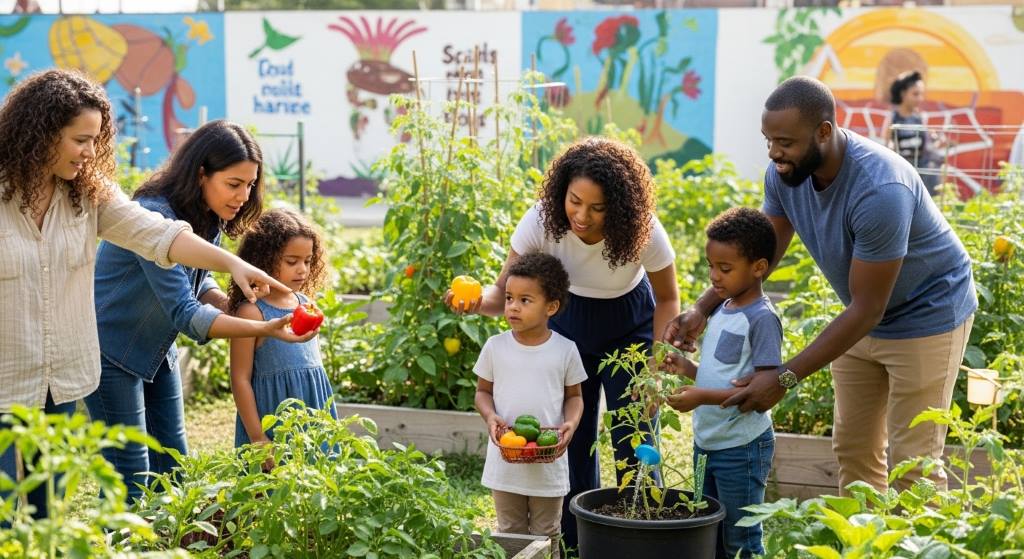
Parents increasingly view grocery stores as educational spaces. Children learn how to compare products, read labels, and understand ingredients. In addition, families discuss marketing techniques used to attract attention. These lessons help children become more critical consumers. They also encourage independent decision-making.
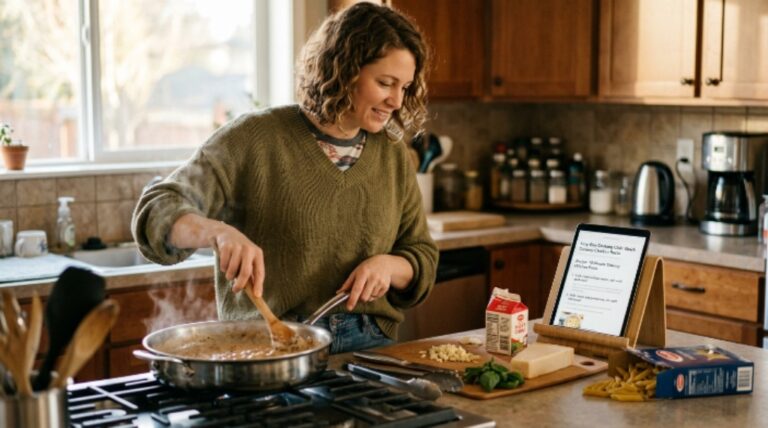
Some parents give children small responsibilities during shopping trips. Kids may choose a new fruit or healthy ingredient each week. For example, they might help select ingredients for a creamy pesto gnocchi recipe that includes nutritious additions. This involvement creates excitement around meal planning. Furthermore, it gives children ownership of healthy choices.
An Uncommon Strategy: Teaching the “Pause and Predict” Method
One lesser-known technique gaining popularity among Houston parents is the “Pause and Predict” method. Before choosing a meal, children pause for thirty seconds and predict how they will feel afterward. They consider energy levels, fullness, and satisfaction. This exercise encourages future-oriented thinking. It also reduces purely emotional decisions.
Parents practice this method at restaurants, school events, and sporting activities. Children gradually learn to connect food choices with outcomes. Consequently, they become more aware of how different foods affect their bodies. Unlike traditional nutrition lessons, this strategy focuses on personal experience. Many families find it surprisingly effective.
Managing Restaurant and Fast-Food Temptations
Dining out remains a regular part of life for many Houston families. Parents prepare children before arriving at restaurants. They discuss menu options and set expectations ahead of time. Therefore, children make choices more thoughtfully. This preparation reduces pressure in the moment.
Some families review menus online before leaving home. Others encourage children to select balanced meals in advance. In addition, parents explain why certain foods should remain occasional treats. These conversations create understanding rather than resistance. As a result, children feel involved instead of restricted.
Encouraging Healthy Snack Independence
Teaching independence plays a major role in preventing impulse eating. Parents create snack stations filled with nutritious options. Children learn how to choose foods that support their energy needs. Consequently, they become more confident in making decisions. This confidence often transfers to other eating situations.
Families also introduce healthier versions of favorite treats. For instance, children may help prepare a no bake raw vegan strawberry cheesecake for special occasions. This experience demonstrates that enjoyable foods can also contain quality ingredients. Moreover, it reduces the appeal of highly processed alternatives. Kids often appreciate the creativity involved.
Practical Habits Houston Parents Are Using
- Keep healthy snacks visible and easy to reach.
- Carry water bottles during outdoor activities.
- Discuss food advertisements openly with children.
- Prepare weekly meal and snack schedules.
- Teach children to identify hunger and fullness signals.
- Involve kids in grocery shopping and cooking.
- Use the Pause and Predict method before meals.
- Review restaurant menus before arriving.
Building Long-Term Food Confidence
Parents increasingly focus on confidence rather than perfection. They understand that occasional indulgences remain part of a balanced lifestyle. Therefore, they avoid labeling foods as completely good or bad. This balanced perspective reduces guilt and encourages healthier relationships with food. Children learn moderation instead of restriction.
Houston families also emphasize gradual improvement. Small daily choices often produce meaningful long-term results. Furthermore, children respond better when they feel supported rather than judged. Positive reinforcement encourages continued growth. Over time, healthy habits become automatic.
Conclusion
Houston parents are finding practical and creative ways to help children avoid impulse meal choices. Through meal planning, hunger awareness, smart shopping habits, and decision-making exercises, families are building skills that extend beyond nutrition. These approaches help children become thoughtful eaters who understand the impact of their choices. Most importantly, they encourage lifelong confidence around food. Start implementing one or two of these strategies today and gradually create a healthier, more mindful eating environment for your family.
FAQs
How can parents reduce impulse food choices in children?
Parents can teach hunger awareness, plan meals ahead, and keep healthy snacks easily accessible.
Why do children often make impulse meal decisions?
Children frequently respond to cravings, advertising, convenience, and peer influence.
What is the Pause and Predict method?
It encourages children to predict how a food choice will make them feel before eating it.
How does Houston’s climate affect eating habits?
Hot weather can cause thirst that children sometimes mistake for hunger.
Should parents completely ban fast food?
No, teaching moderation and thoughtful decision-making usually produces better long-term results.